

Every year, many women report at least one change in sexual comfort or desire after childbirth or during the menopause transition. If you’re nodding along, know you’re far from alone, and you’re definitely not powerless.
This guide offers three science-backed, doctor-approved ways to revive and safeguard intimate health. Think of this as your friendly roadmap to rekindling pleasure and protecting pelvic wellness. It’s all about nurturing your overall vitality without complicated or awkward regimens.
1. Get Physically Intimate
When researchers call sex “nature’s multivitamin,” they aren’t exaggerating. A single bout of pleasurable intimacy floods the body with feel-good hormones like endorphins, oxytocin, and prolactin. These hormones can have powerful health benefits.
- Slash stress: Endorphins lower cortisol, helping you sleep better and tame anxiety.
- Boost immunity: Couples who have sex 1–2 times a week show 30% higher salivary IgA, your first line of defense against respiratory bugs.
- Ease pain: In one study, 60% of migraine sufferers experienced significant relief after orgasm.
- Support heart health: Regular partnered or solo play is linked to lower systolic blood pressure and improved vascular function.
10-Minute Mindful Intimacy Routine
- Silence phones and dim the lights.
- Spend two minutes simply breathing together.
- Take turns naming a physical sensation you enjoy.
- Extend foreplay by at least five minutes before penetration.
Post-Menopause Comfort Tip
A silicone-based lubricant combined with longer, slower foreplay can significantly reduce friction. This simple adjustment helps compensate for estrogen-related dryness and enhances comfort.
| Key Insight: Treat intimacy as a vital health practice, not a performance. Regular pleasure is a powerful, natural way to lower stress, boost immunity, and relieve pain. |
2. Train & Treat Your Pelvic Floor
A strong, responsive pelvic floor is not just for bladder control; it is also a gateway to deeper pleasure. As noted by Dr. William Winkelman of Harvard Medical School, pelvic floor exercises can help with symptoms related to pelvic floor dysfunction. This connection between strength and satisfaction is well-documented.
For women who also experience dryness, which is common after childbirth or as estrogen dips, non-hormonal options are available. Some prefer solutions like NeuEve’s gentle natural treatment for vaginal dryness, which uses food-grade ingredients. This can be a supportive measure to use alongside a pelvic exercise routine.
Why Sex + Kegels Work Together
During orgasm, rhythmic pelvic contractions strengthen the levator ani muscles, which improve vaginal tone and circulation. According to one study, regular pelvic floor muscle exercises led to a significant increase in sexual self-efficacy among postpartum women. These exercises support healing and wellness at every stage.
- Post-partum tissues heal faster when blood flow is robust. Gentle intimacy (once cleared by a provider) can speed recovery.
- In menopause, targeted pelvic exercise combats laxity, dryness, and the “droop” that can lead to prolapse.
- A systematic review concluded that pelvic floor muscle training improved female sexual function, including arousal, orgasm, and satisfaction.
Progressive At-Home Circuit
- Foundational Kegel: Contract as if holding back urine, hold 5 seconds, release 5 seconds; repeat 10 times, 3 sets/day.
- Bridge Pose: Lie on your back, knees bent. Lift hips while squeezing glutes and pelvic floor, 10 reps.
- Resistance-Band Abduction: Place a loop above the knees and perform 12 controlled “open-out” reps to engage deep hip stabilizers.
| Warning/Important: If you experience pain, leaking, or a feeling of heaviness after two weeks of consistent Kegels, consult a pelvic floor specialist. Self-training cannot replace a professional diagnosis. |
3. Bio-Hack with Pleasure Tech & Movement

Photo from Freepik
ALT Text: Sporty girl training at sunrise over seaside
Pleasure tech might sound futuristic, but modern tools and strategic exercise routines work together. They can spark libido, boost hormones, and even improve cardiovascular health. The key is combining the right technology with consistent physical activity.
What the Research Says
- Vibratory therapy increases clitoral and vaginal blood flow, which may enhance tissue oxygenation and reduce dryness.
- A 15-minute moderate cardio bout raises free testosterone in women, priming arousal.
- Strength training twice weekly balances estrogen and supports bone density, which is a must in peri- and post-menopause.
Libido-Priming Circuit (15 minutes)
- 30 seconds jumping jacks
- 10 body-weight squats
- 30 seconds high-knee march
- 10 push-ups (knees or toes)
- Repeat 3 times
Follow this circuit with solo or partnered play. Using a body-safe, beginner-friendly vibrator, such as a small external model with multiple speeds, can enhance the experience.
| Pro Tip: Prioritize body-safe materials like medical-grade silicone or stainless steel for pleasure tech. Porous materials can harbor harmful bacteria, undermining your intimate health and safety efforts. |
Intimate Health FAQ
Q: How much sex is actually “healthy”?
A: Quality beats quantity in this case. Studies show that health benefits tend to plateau around one to two sessions per week, but remember that solo play counts, too.
Q: I haven’t had sex in months. Will it hurt?
A: It is possible, but a gentle reintroduction is key. Extended foreplay and the use of lubricant can significantly reduce discomfort. Pelvic physical therapists can also help desensitize tense muscles.
Q: Is intimacy safe six weeks post-partum?
A: Most providers give the green light at the six-week mark, but comfort and healing vary for everyone. Start slowly and be sure to stop if you feel any pain beyond mild stretching.
Sexual After-Care & Safety Essentials
- Urinate within 30 minutes post-sex to flush bacteria and lower UTI risk.
- Check condom integrity; oil-based lubes can break down latex.
- Emotional after-care matters: cuddle, share affirmations, and ensure at least seven hours of sleep to let oxytocin work its magic.
Your Next Steps
Intimate health is a multidimensional puzzle. It is part pleasure, part muscle science, and part smart tech. Start with a 10-minute mindful intimacy routine or a daily Kegel tracker.
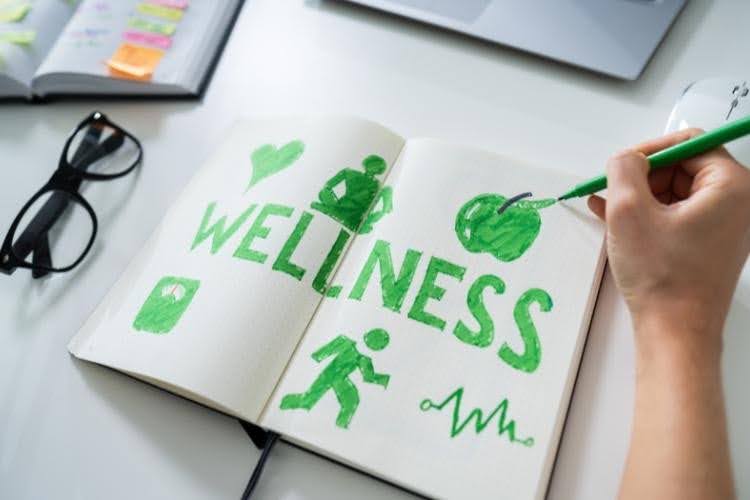
You could also try a libido-priming workout paired with a body-safe toy. Action is the antidote to frustration. Choose one tactic tonight, jot your experience in a wellness journal, and watch your intimate health blossom.
| Author Profile: NeuEve is the leading manufacturer of all-natural vaginal care products for women experiencing menopause and intimate health challenges. |