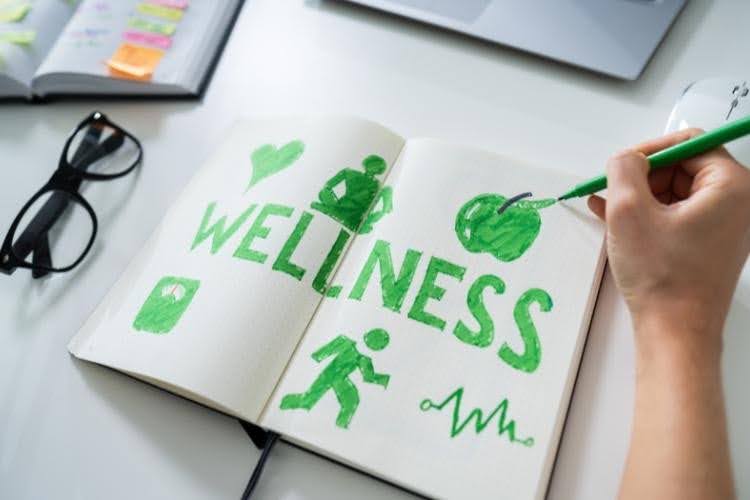


Most of us underestimate how much our surroundings steady us. The familiar hum of a workspace, the way light hits a desk at a certain hour, the small rituals that quietly shape a workday. These details do more than decorate our routines. They help organize our thoughts, regulate our emotions, and signal when we feel competent and at ease.
Over time, a place becomes more than a backdrop. It becomes part of how we experience safety and focus.
When that environment changes, the impact often lands deeper than expected. A new office, a different layout, an unfamiliar neighborhood. Even people who welcome change can feel unsettled. Concentration slips. Irritability creeps in. The body reacts before the mind has a clear explanation. What looks like a practical adjustment on the surface often registers as a psychological loss.
Environmental psychology helps explain why. Our brains form strong associations between place, routine, and identity. Work environments, in particular, anchor continuity. They reinforce who we are when we sit down to do our jobs, how we relate to others, and what feels normal in the middle of a busy day. When that anchor shifts, the mind has to work harder to regain its balance.
How Our Brains Attach Meaning to Physical Spaces
Place shapes behavior long before we consciously register it. The brain is always scanning for cues that signal familiarity or threat, ease or effort. With repetition, neutral spaces become emotional reference points. A certain chair, hallway, or window view starts to carry associations with focus, confidence, or calm.
This happens through associative memory. Physical surroundings become linked with emotional states and outcomes. When work unfolds day after day in the same setting, the environment starts doing some of the mental labor for us. Sitting down signals concentration. Walking through the door marks the shift into work mode. These cues reduce friction and preserve mental energy.
Routine plays a quiet but powerful role. Predictable surroundings support the brain’s preference for efficiency. When fewer details demand conscious attention, more capacity remains for problem-solving, creativity, and social connection. That’s why familiar spaces often feel grounding, even when the work itself is demanding.
Over time, place and identity become intertwined. Work environments don’t just house our tasks. They reinforce how we understand ourselves while performing them. Disrupting that setting removes more than furniture and walls. It pulls away a layer of psychological scaffolding that had been supporting daily functioning.
Why Workplace Changes Can Trigger Anxiety and Disorientation
Workplace change unsettles people because it erases cues the brain relies on to stay oriented. Familiar routes, lighting, background noise, and even the distance between a desk and the coffee machine form an internal map. When that map disappears, the brain compensates by staying more alert. That extra vigilance often shows up as irritability, mental fog, or a restless edge that doesn’t quite match the situation.
Control is another fault line. A new layout, a different commute, shuffled seating, fewer private corners. These shifts can leave people feeling exposed or unmoored. The work itself may be unchanged, yet it takes more effort to settle in. Many people respond by blaming themselves for reacting strongly, then pushing harder, which tends to deepen the stress rather than resolve it.
There’s also a social dimension. Offices hold unwritten rules. Where casual conversations happen. Who sits near whom? Which spaces feel safe for focus? When a workplace changes, those signals reset. Even confident people can feel awkward again, as though they’re starting over in a setting they didn’t choose.
When the Physical Transition Gets Messy, the Stress Spreads
Office relocations compress disruption into a short period. Noise replaces routine. Access becomes uncertain. Equipment arrives out of sequence. People are expected to think clearly and collaborate while their surroundings are still in flux. That gap between expectation and reality creates strain that spreads quickly, even among teams that usually handle change well.
The reaction is rarely due to disliking change. It comes from living with unresolved variables. When employees don’t know where they’ll be working, when systems will stabilize, or how long the disruption will last, the brain stays alert longer than it should. Attention fractures. Patience thins. Minor inconveniences begin to feel heavier than they are.
How intense that experience becomes often depends on the location. Commercial relocations don’t happen in isolation. They are shaped by building policies, labor environments, insurance standards, and access rules that quietly determine whether a transition feels contained or chaotic.
In some parts of the country, moves carry more friction by default. Coastal markets like California and New York tend to operate under tighter compliance expectations and stricter building controls, which can stretch timelines and increase coordination. That added complexity often results in longer periods of partial functionality, with employees working around missing components. Other states move faster but trade predictability for speed, producing abrupt transitions that leave little time to settle.
Georgia often sits between those extremes. The broader regulatory environment is lighter than in many coastal states, yet major cities still bring real constraints. Downtown areas, in particular, involve older buildings, narrow loading access, and limited staging space, all of which reduce margin for error even when the rules themselves are less rigid.
In dense business corridors with tight loading access and older buildings, many teams lean on a commercial moving company Atlanta businesses trust to keep the process predictable, reduce downtime, and avoid the kind of repeated last-minute surprises that wear people down.
When the physical transition is handled with care, the emotional adjustment often follows. Not because the change is smaller, but because the ground stops shifting while people are still trying to find their footing.
What Research Says About Environment, Stress, and Well-being
Psychologists have long observed that physical environments influence emotional regulation in subtle but lasting ways. The nervous system responds to light, sound, spatial layout, and predictability before conscious thought kicks in. When those cues stay consistent, the brain expends less energy scanning for disruption. When they remain unstable, stress responses linger.
Research in occupational psychology links unsettled work environments to higher cognitive load. People in transitional spaces report more difficulty concentrating, increased irritability, and faster mental fatigue. The work itself may be unchanged, yet it feels heavier because the surrounding conditions demand constant adjustment.
That strain accumulates. Persistent instability at work raises stress levels over time, and that pressure manifests in mood, focus, and physical health, patterns reflected in reports on how workplace stress affects employees’ well-being. When the environment keeps asking for adaptation, recovery takes longer, and stress becomes harder to shed.
A place also holds emotional memory. The brain tags locations with experiences of success, conflict, and connection. When those locations disappear or remain unsettled, the emotional map resets. Even experienced professionals can feel as though they’re starting from scratch, despite years of competence.
What matters most is predictability. A workspace doesn’t need to feel perfect to support wellbeing, but it does need to behave reliably. When people know what to expect from their surroundings, the nervous system settles more quickly. When uncertainty drags on, stress lingers, and the cost shows up in attention, patience, and engagement.
Restoring Psychological Safety After a Workplace Change
Once the boxes are unpacked and the noise fades, the emotional work of adjustment begins. People don’t automatically feel settled just because a space is technically ready. Psychological safety returns through small signals that the environment can be trusted again. Chairs that stay put. Meeting rooms that function as expected. Routines that no longer require negotiation.
Consistency matters more than polish. A workspace can be imperfect and still feel workable if it behaves the same way each day. When people know where to go, how long things take, and what to expect, the nervous system relaxes. That relaxation frees up attention for collaboration and problem-solving rather than constant self-monitoring.
Rituals help rebuild footing. Regular team check-ins, shared breaks, or informal habits like gathering in the same spot each morning provide structure in an unfamiliar setting. These patterns restore a sense of belonging that often gets disrupted during a move. They remind people that while the walls may have changed, the social fabric hasn’t vanished.
Leadership behavior matters here. Acknowledging disruption without dramatizing it, setting realistic expectations, and allowing a short adjustment period communicates respect for the human side of transition. When people feel seen rather than rushed, adaptation comes more naturally.
Over time, the space begins to absorb new memories. Confidence returns as tasks are completed without friction. Familiarity grows through repetition. What once felt foreign fades into the background, and people regain the sense that they can work without bracing themselves.
Why Thoughtful Transitions Matter More Than We Think
Workplace moves are often treated as temporary disruptions, something to endure and move past. In practice, they leave a residue. The way a transition unfolds shapes how people feel about their work, their colleagues, and their sense of stability long after the boxes are gone.
When environments remain unsettled for too long, people adapt by bracing. They lower expectations, conserve energy, and focus on getting through the day rather than engaging fully. That posture can linger even after the space becomes functional. The cost is subtle but real, showing up in muted motivation and thinner patience.
Thoughtful transitions interrupt that pattern. They recognize that physical surroundings influence emotional regulation, focus, and connection. Reducing unnecessary friction through realistic pacing, clear planning, and respect for how people experience disruption helps prevent stress from hardening into disengagement.
There is also something affirming about being considered during moments of upheaval. When organizations treat transitions as shared human experiences rather than purely operational tasks, people feel anchored instead of displaced. That sense of grounding supports self-awareness, resilience, and emotional recovery well beyond a single move.
Why Stress Lingers After the Boxes Are Gone
Prolonged disruption can quietly undermine emotional regulation. Unsettled environments tend to spill into mood, focus, and self-trust, especially for people who respond to instability by pushing harder rather than slowing down. The pressure many overachievers place on themselves can intensify that strain, making it harder to recognize when stress has crossed from temporary to chronic.
Paying attention to those signals is often the first step toward rebuilding a steadier relationship with work and wellbeing. When the environment stops demanding constant adaptation, people can respond to change with more self-awareness and less self-criticism. Over time, the nervous system settles, focus returns, and the new space begins to feel workable rather than draining.