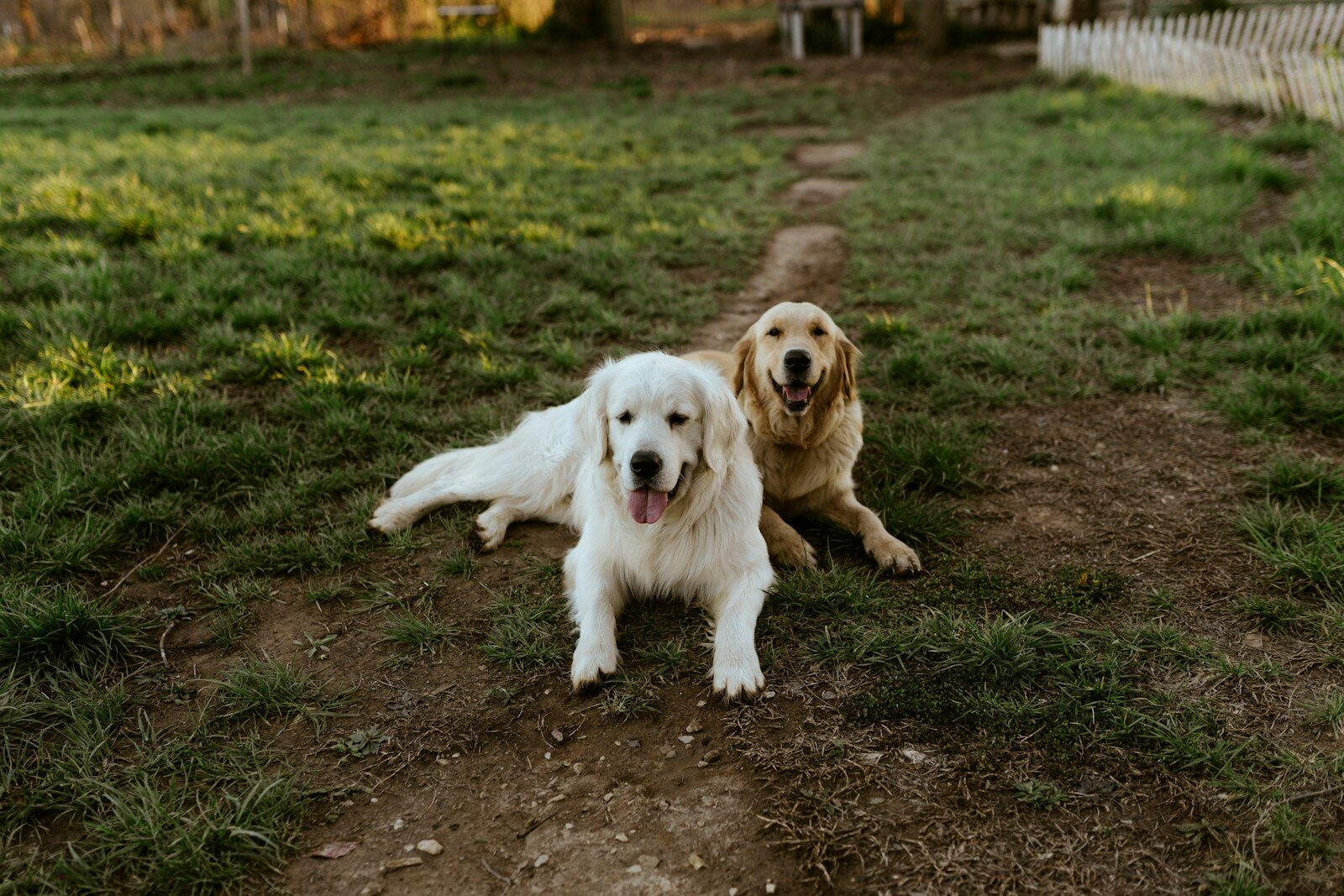

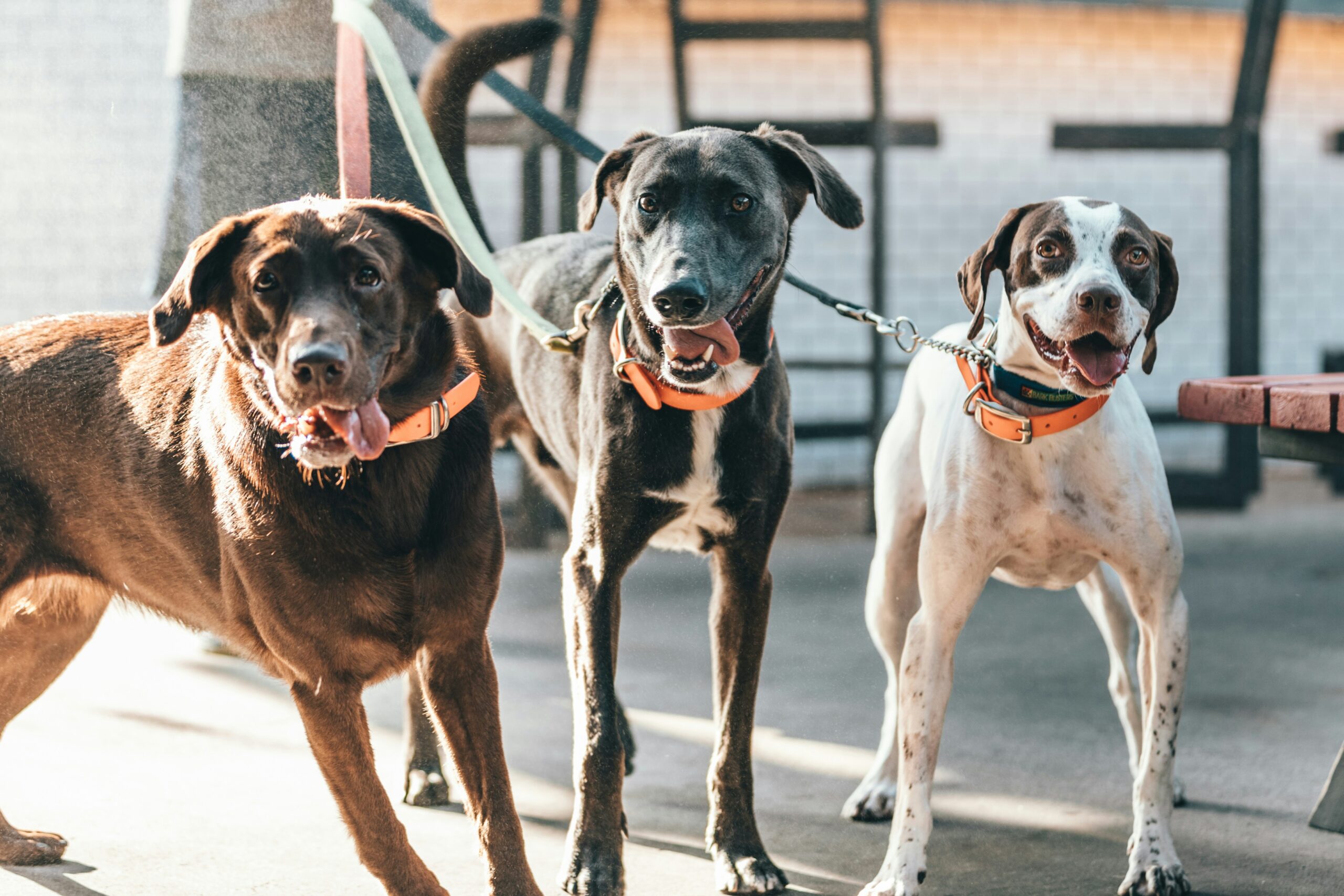
You’ve probably seen the scene: a dog trots over with a loose, happy body and a wagging tail. Before you can even react, the owner calls out, “It’s okay, they’re friendly!”
Often, it is fine. Dogs sniff, people laugh, and everyone carries on. But “friendly” can turn into a shortcut that skips a more important question: Is this dog likely to stay under control in this specific place, with today’s distractions, around strangers who didn’t ask to be part of the interaction?
Most off-leash choices come from good intentions. Owners want their dogs to stretch their legs, burn energy, and enjoy the outdoors. The trouble starts when friendliness is treated as a guarantee rather than one helpful trait among many.
Friendliness and Predictability Are Different Things
A friendly dog generally enjoys people or other dogs and shows low fear in familiar situations. Predictability is something else. It is about consistency across changing conditions.
Public spaces pile on variables that do not exist at home: new smells, fast-moving bikes, kids darting around, other dogs on tight leashes, sudden loud noises, and people who behave in ways your dog has never practiced with. Even a steady, social dog can have a split-second reaction when something surprises them.
That is why “friendly” is not the same as “reliable off-leash.” Friendliness speaks to attitude. Reliability depends on impulse control when the environment is busy.
Why Training Can Look Great Until It Matters
Obedience training is important, and it helps. Still, many owners expect training to work the same way everywhere.
In a class, a backyard, or a quiet driveway, cues are easier. The dog has fewer distractions and a clearer routine. In a park or on a sidewalk, attention gets pulled in ten directions at once. Recall is usually the first skill to wobble, even in dogs who “know it” at home.
This does not mean the dog is stubborn or that the owner failed. It means the setting is harder. A leash becomes a practical backup for the moments when your dog’s brain is full, and their body moves before they think.
The Public Is Not a Controlled Environment
A big misjudgment is assuming public spaces are neutral, as if everyone and everything will react calmly.
In reality, shared spaces include:
- Dogs who are anxious or reactive while on leash
- People who are afraid of dogs or simply do not want contact
- Kids who run, squeal, and reach without warning
- Joggers, scooters, strollers, and wildlife that can set off chasing instincts
When an off-leash dog rushes up, the other person or dog loses choice. Even a “polite hello” can feel like pressure if someone is cornered or surprised. And if the leashed dog reacts, your friendly dog may respond in kind.
For a practical baseline on preventing risky interactions in public, the American Veterinary Medical Association’s dog bite prevention guidance offers clear, everyday tips for owners.
Leashes help everyone read the situation. They create distance when needed and give you time to redirect before things escalate.
Common Assumptions That Stack Up Fast
Serious problems rarely come from one decision. They usually come from several small assumptions landing at the same time.
An owner thinks: My dog is friendly. Then, their recall is solid. Then, this path looks open, so it should be fine. Add one more surprise, like a loose dog appearing from behind a tree, a child sprinting toward your dog, or a squirrel cutting across the trail, and the whole moment changes.
This is one reason incidents like unleashed dog attacks can catch everyone off guard. It often starts with ordinary confidence and ends with a situation nobody planned for. The issue is rarely that the dog “turned bad.” More often, it is the environment that outpaced the owner’s ability to intervene.
A Quick Off-Leash Reality Check
If you’re deciding whether to unclip the leash, a few questions can help you stay honest in the moment:
- Can my dog reliably come back the first time, even if something exciting happens?
- Is this area designed for off-leash dogs, or are we sharing a space with people who expect leashed pets?
- Do I have enough distance to redirect if another dog or person appears suddenly?
- Is my dog calm right now, or already amped up and scanning for action?
- Would I feel confident if a child ran toward my dog in the next ten seconds?
If two or three answers make you hesitate, that is useful information. Keeping the leash on is a smart choice, not a moral statement.
Leashes Are Communication Tools
Some owners see leashes as a limitation. In practice, a leash is feedback. It helps you guide your dog’s speed, direction, and space. It also tells others, “I’m paying attention, and I can manage this interaction.”
Leashes can support better freedom in the long run because they prevent the behaviors you do not want. Every time a dog practices charging up to strangers, ignoring recall, or chasing moving objects, the habit gets stronger.
Many experienced owners treat leash decisions as flexible. A quiet morning in an empty field is different from a busy afternoon path. Your dog’s energy on a given day matters, too.
A Better Question Than “Is Your Dog Friendly?”
Friendliness is a great trait, and it can make life with a dog a lot more fun. Still, friendliness does not cancel out distraction, excitement, or the unpredictability of a shared public space.
So instead of asking whether a dog is friendly, try asking something more practical: Is this a moment where I can keep my dog under control, protect other people’s comfort, and set my dog up for success?
When the answer is yes, off-leash time can be enjoyable and appropriate. When the answer is unsure, the leash is a simple way to keep things calm, respectful, and safe for everyone sharing the same patch of grass.