
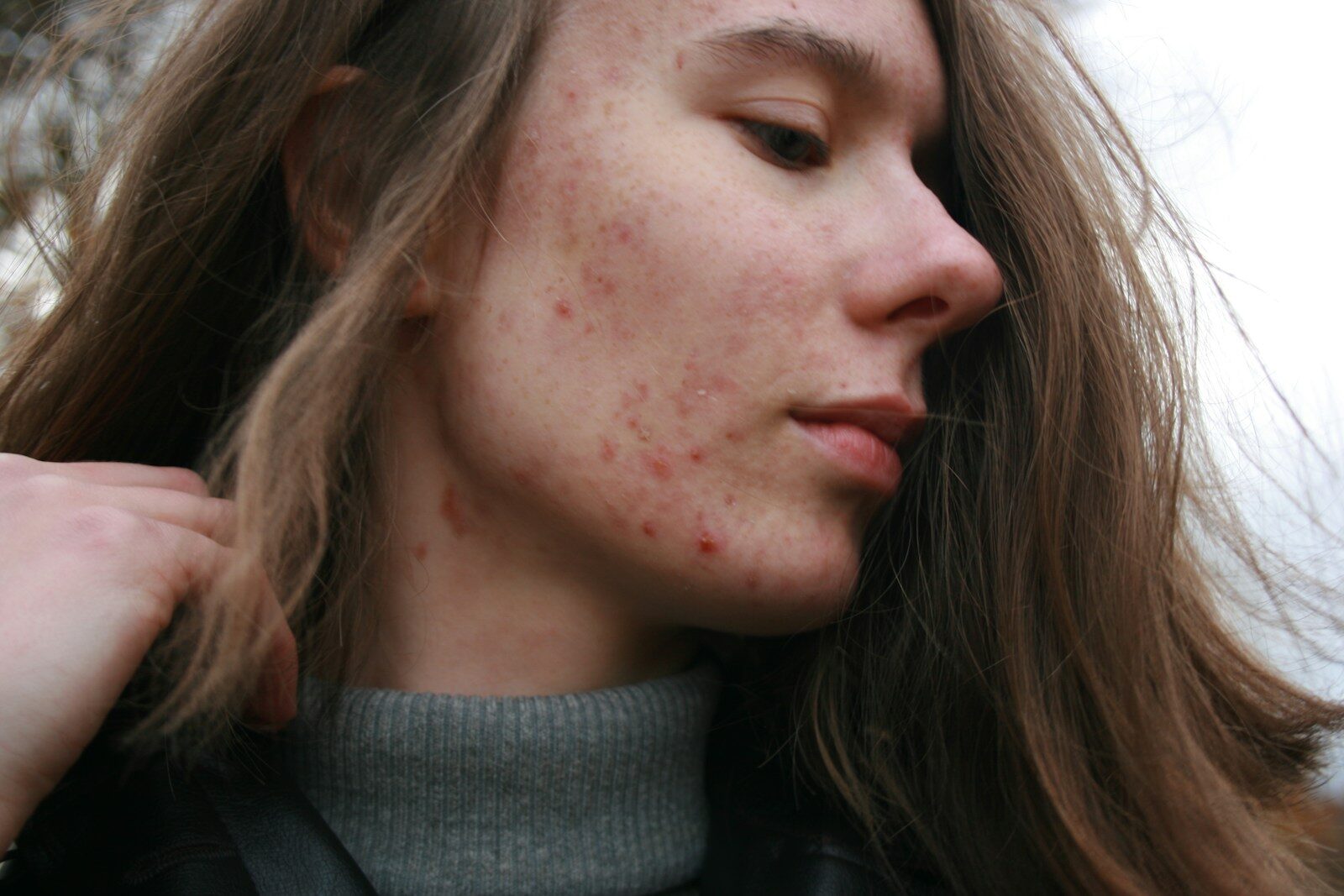
Hormonal acne is one of the most frustrating skin conditions to manage. It tends to cluster around the jawline and chin, flares predictably with your cycle, and refuses to respond to the cleansers and spot treatments that might help other breakouts. That’s because the root cause isn’t on the surface — it’s in your hormones.
A hormonal acne supplement targets that root cause. Rather than simply drying out existing pimples, these supplements work to regulate androgen activity, support liver detoxification of excess estrogen, reduce inflammation, and balance the gut-skin axis — all factors that drive hormonal breakouts.
Why Hormonal Acne Is Different
Hormonal acne is driven largely by androgens — hormones like testosterone and DHT that stimulate sebaceous glands to produce excess oil. When sebum production spikes, pores clog more easily, and the anaerobic environment encourages the proliferation of Cutibacterium acnes. The result: painful, cystic breakouts that resist surface-level treatment.
In women, estrogen dominance, low progesterone, polycystic ovary syndrome (PCOS), and perimenopause are common hormonal culprits. In men, elevated DHT is the primary driver. This is why addressing hormonal acne requires a systemic approach — and why the right supplement stack can be genuinely transformative.
How to Choose the Right Hormonal Acne Supplement
Choosing a supplement is not one-size-fits-all. The ideal formulation depends on your suspected hormonal pattern. Someone with PCOS and elevated androgens will benefit most from zinc, spearmint, and inositol. Someone with estrogen dominance and luteal phase breakouts will respond better to DIM and B6.
- Identify your pattern first — track your cycle and when breakouts occur
- Look for third-party tested formulations (NSF, USP, or Informed Sport certified)
- Give any supplement at least 8–12 weeks before evaluating effectiveness
- Combine supplements with anti-inflammatory dietary changes for best results
- Consult a dermatologist or functional medicine practitioner for persistent, severe cases
Lifestyle Factors That Amplify Results
A hormonal acne supplement works best within a broader hormonal health strategy. High glycaemic diets spike insulin, which in turn stimulates androgen production. Chronic sleep deprivation elevates cortisol, which dysregulates sex hormone balance. Overtraining can do the same. Addressing these upstream triggers allows supplements to work more effectively.
Prioritise sleep, moderate your refined carbohydrate intake, and manage stress through regular movement and recovery practices. Think of supplementation as one layer of a multi-pronged approach rather than a standalone fix.
Inositol: A Standout for PCOS-Related Acne
Myo-inositol and D-chiro-inositol deserve special mention. These naturally occurring compounds improve insulin sensitivity, lower testosterone in women with PCOS, and have demonstrated clinically meaningful reductions in acne severity. Many practitioners now consider the combination of myo-inositol (40:1 ratio with D-chiro-inositol) to be among the most evidence-supported interventions for PCOS-related hormonal acne.
Taken consistently at 2–4g daily, inositol is well-tolerated and can produce visible improvements in skin clarity within two to three months, alongside benefits for cycle regularity and mood.
Final Thoughts
Hormonal acne is a signal that something deeper is out of balance. The good news is that a targeted, evidence-informed hormonal acne supplement protocol — tailored to your specific hormonal pattern — can address the root cause rather than just managing symptoms.
Patience is essential. Hormones shift slowly, and the skin is the last organ to reflect those changes. Commit to a well-chosen supplement for three months, support it with a healthy lifestyle, and you’re likely to see a meaningful difference — not just in your skin, but in your energy, mood, and overall hormonal balance.