

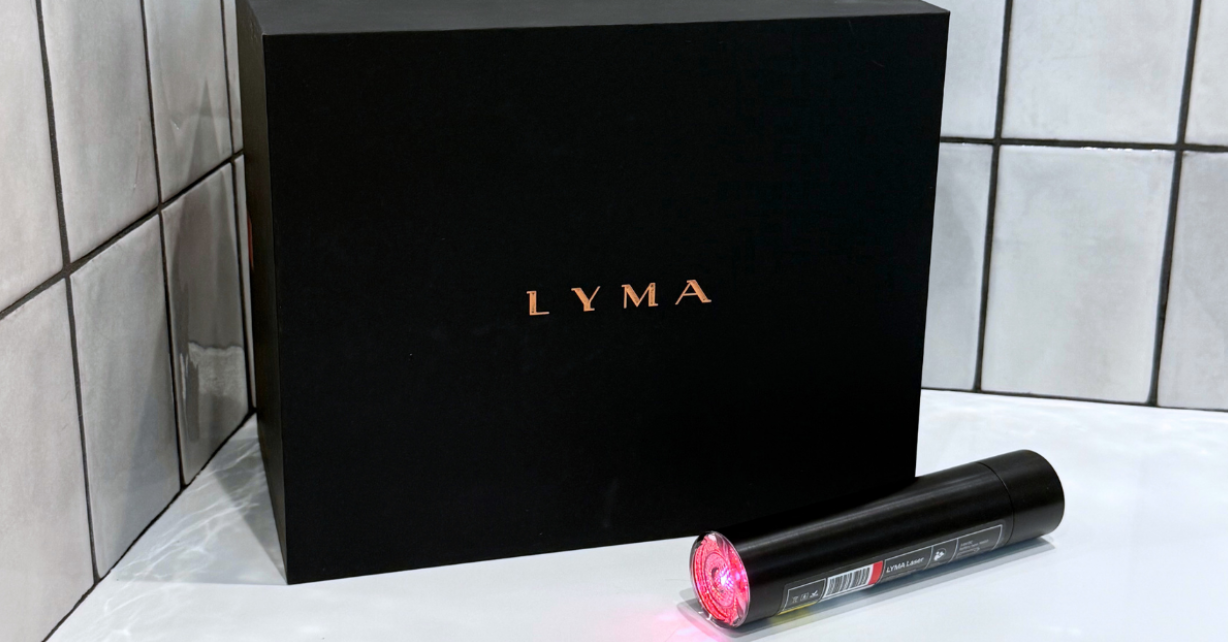
Editor’s Note: I run a company, sit on two boards, and travel twelve days a month. The question was never whether I could afford good skincare. It was whether my skincare could justify the time. This is how an LED mask and the LYMA Laser measured up. Keep reading, or jump to my final thoughts.
My LED Mask Experience
My face is part of my job. Back-to-back calls, a pitch, a dinner I can’t move. When I look tired, people read it as distracted or stretched. I’d looked into in-clinic treatments, but every time it came down to the same problem: a week of redness and peeling isn’t something my calendar allows.
That’s how my LED journey started: my facialist recommended it between appointments, a friend with enviable skin swore by hers, and the idea of fewer trips to the clinic was appealing. I bought the one everyone seemed to have and committed.
It looked like self-care, but in practice, it was a scheduling problem. It only works on completely bare skin, so it had to happen after cleansing and before anything else went on, which meant a fixed slot in a day that rarely had one. I couldn’t take a call in it or read a board deck through it.
A year in, I couldn’t point to one change that made the effort worth it. The occasional morning glow was nice, but it wasn’t what I was after. What I wanted was firmness: a jawline that held its shape, and fine lines that didn’t show up on camera at every panel. My mask also stopped at my chin. My neck, the part of me that gives away the most on a video call, wasn’t covered at all.
I started to wonder if the problem wasn’t my commitment, but the light itself: whether it was reaching deep enough to make a difference.
My LYMA Laser Experience
I’d almost written off at-home devices when the LYMA Laser came up in a TIME Best Inventions list. Still, I’m skeptical by trade, so I had to look at the science for myself.
One data point caught my eye. In research published in the Aesthetic Surgery Journal, LYMA’s FDA-cleared laser technology changes the activity of 45 genes in the dermis, the layer where collagen is made. LED only changes one.
That’s the difference between light that sits on the surface (LED) and a 500mW near-infrared cold laser engineered to reach the layer where collagen and elastin are made. At 8 cm², the LYMA Laser is designed for the face, neck, and targeted areas of concern.
What convinced me to try it is the evidence. In an independent clinical trial, LYMA Laser users saw a 103% increase in skin elasticity in 30 days, measured with a Cutometer, the instrument used to assess skin firmness. LYMA also reports a 46% reduction in pigmentation over six weeks of regular use, and positions 30 days as the point where results start to show.
Here’s my routine now: three minutes per area, glided over skin, even over makeup and SPF, so I can treat my jawline in the car between meetings. LYMA recommends daily use for the first 12 weeks to build results, then three times a week to maintain. There’s no pain and no downtime. It’s cordless and travels in a soft, protective case in my handbag, so it actually comes on every trip.
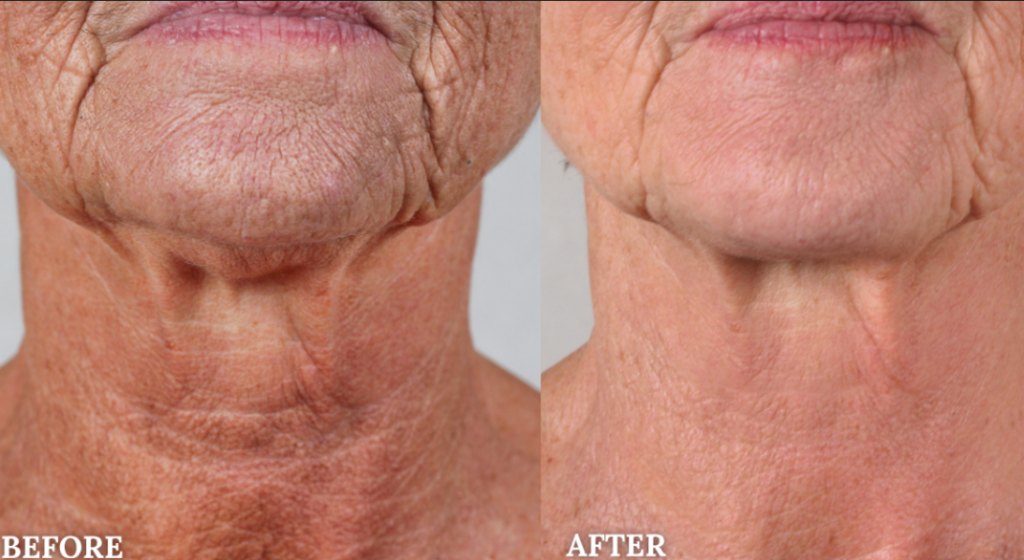
Within a few weeks, my skin looked more even, and I stopped reaching for as much concealer before calls. After about a month, the fine lines around my eyes looked softer.
Final Verdict
The LYMA Laser is $2,695. I won’t pretend that’s nothing. But I judge it the way I’d judge any investment: cost against return, and return against time.
Then: Nightly sessions I couldn’t work through, and results I couldn’t measure.
Now: From three minutes per area, a device I use anywhere, and visible change in the mirror within a month, on my face, neck, and body.
It’s built for a 10-year lifespan with a 2-year warranty. And the upfront cost doesn’t have to be a dealbreaker. With Affirm, you can pay approximately $112 a month over 24 months at 0% APR, subject to approval. Eligible HSA/FSA funds may also be an option.
If a pleasant glow is enough, LED will give you one. But if you want clinic-grade results that fit around a life with no spare hour in it, the LYMA Laser is the upgrade. LYMA has also been recognized by Harper’s Bazaar (Skincare Awards). Thirty days in, I understand why.