

If putting your head on the pillow doesn’t guarantee sleep, you’re not alone. According to some studies, approximately 50 to 70 million Americans suffer from a chronic disorder of sleep and wakefulness. The cost goes beyond next-day grogginess, as poor sleep can hamper mood, productivity, and long-term health.
The good news is that a few science-backed tweaks can yield real results quickly. These expert-endorsed strategies can help you reclaim truly restorative rest. Let’s explore three ways you can start improving your sleep quality tonight.
1. Address Breathing Issues & Sleep Disorders
Millions of adults suffer from sleep disorders, yet many remain undiagnosed. Common signs include chronic loud snoring, which 41.1% of adults reported, morning headaches, and persistent daytime fatigue. Conditions like obstructive sleep apnea (OSA) repeatedly interrupt breathing during sleep, devastating rest quality.
One of the most effective treatments is Continuous Positive Airway Pressure (CPAP) therapy. This method uses a small bedside machine and mask to keep your airway open, drastically reducing sleep interruptions. Untreated sleep apnea also increases health risks; for example, it can increase the risk for new-onset atrial fibrillation.
For those prescribed CPAP, the comfort of the interface is crucial for long-term use. A minimal-contact option, like the innovative Wisp CPAP mask available from RespShop, uses a nasal cushion and a soft frame that leaves most of the face uncovered. This design can be ideal for side-sleepers or those who feel claustrophobic in bulkier masks.
Because mask comfort plays a major role in whether patients stick with therapy, a lightweight design can significantly boost success rates. Always consult a qualified healthcare provider before starting or adjusting CPAP therapy.
| Warning/Important: Self-diagnosing sleep disorders can be risky. Always consult a qualified healthcare provider to discuss symptoms like snoring or fatigue before starting or adjusting any sleep therapy, including CPAP. |
2. Optimize Your Sleep Environment

Your bedroom environment plays a huge role in sleep quality, and temperature is a great place to start. Keeping your room cool, ideally between 60 and 67°F, signals to your body that it’s time to rest. This simple adjustment can help you fall asleep faster and achieve deeper sleep cycles.
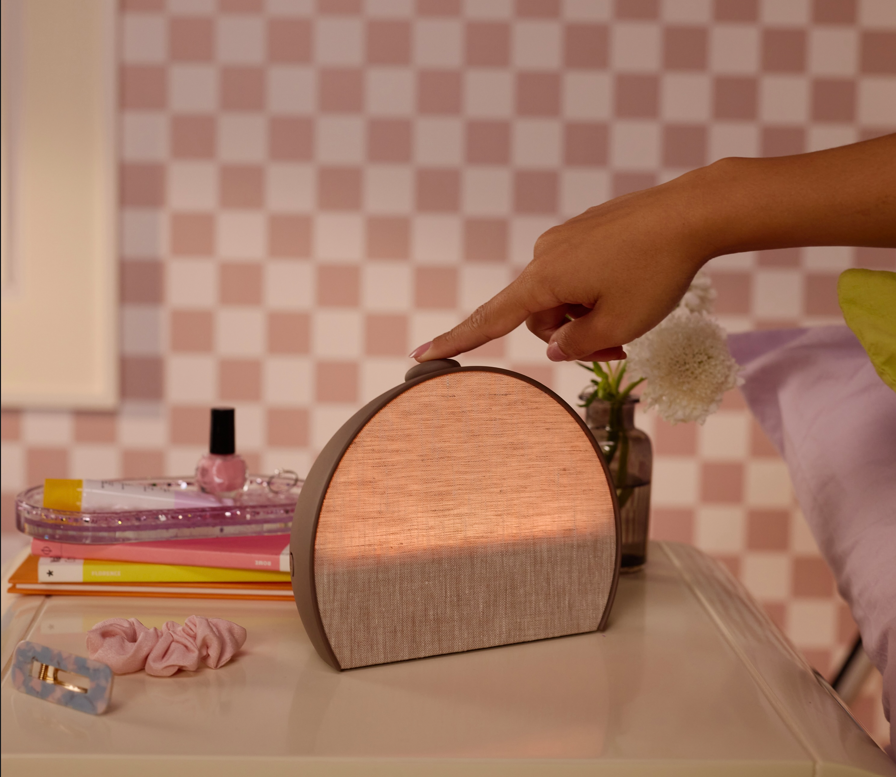
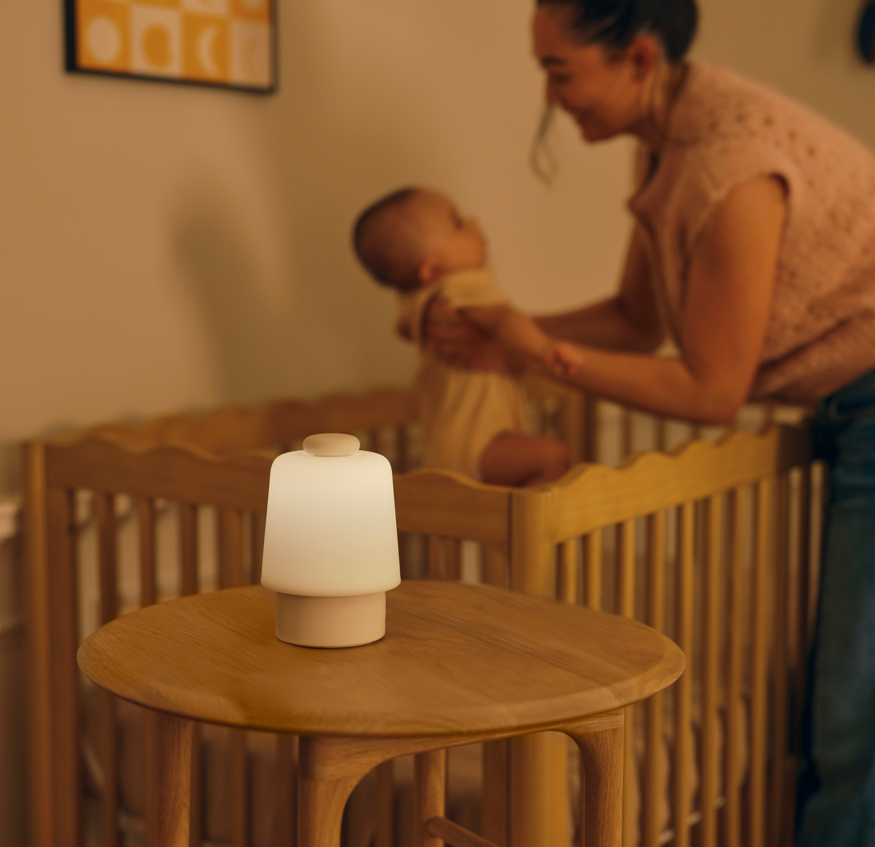
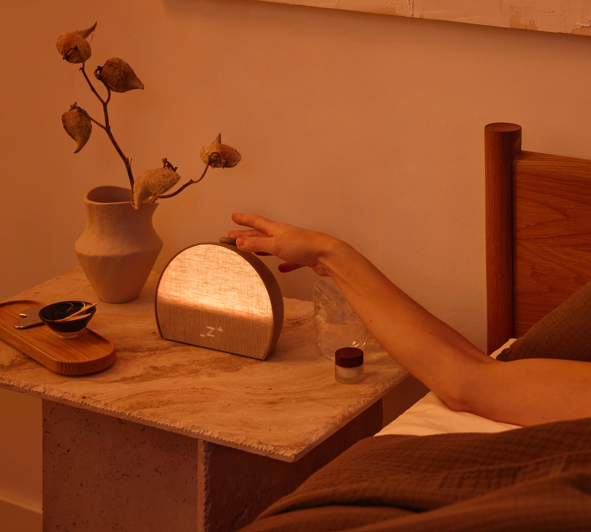
Light and sound are just as important as temperature for creating a sleep sanctuary. Dimming lights an hour before bed supports your circadian rhythm and natural melatonin release. Similarly, blocking disruptive sounds with a white-noise machine or earplugs can prevent low-level noises from fragmenting your sleep.
Finally, be mindful of electronics that emit blue light, such as phones and tablets. This type of light tells your brain it’s still daytime, which can suppress melatonin production. Try to put screens away an hour before bed or use a blue-light filter to minimize the effect.
| Pro Tip: Treat your bedroom like a cave. Keep it cool, dark, and quiet. Even small adjustments, such as lowering the thermostat and dimming lights an hour before bed, can significantly improve your ability to fall asleep and stay asleep. |
3. Master a Consistent Pre-Bed Routine
Your brain thrives on predictability, and a consistent pre-bed routine teaches your internal clock to prepare for sleep. This ritual signals that it’s time to shift into rest mode, making it easier to fall asleep. Sticking to a similar lights-out window each night, even on weekends, is a foundational step.
Incorporate a calming activity into your routine to help quiet your mind. This could be gentle yoga stretches, five minutes of journaling, or sipping a non-caffeinated herbal tea. Another powerful technique is controlled breathing, like the 4-7-8 method, which can slow your heart rate and ease racing thoughts.
Remember that caffeine has a half-life of about five hours, so try to cut coffee by 2 p.m. Alcohol may help you fall asleep quickly, but it often fragments later sleep stages, so limit evening drinks and finish at least three hours before bed.
| Key Insight: A consistent pre-bed ritual trains your brain to anticipate sleep. The specific activity matters less than the repetition. Predictability signals your internal clock that it’s time to wind down for restorative rest. |
Time to Act
Better sleep fuels the best version of you, mentally, physically and emotionally. Try at least one of these tips tonight to start your journey toward better rest. If loud snoring or daytime exhaustion persist, ask your healthcare provider about solutions. Sweet dreams await!
Author: RespShop is a leading online retailer of CPAP machines, masks, and oxygen therapy equipment for individuals managing sleep apnea and respiratory conditions.