
Only three in ten employees say they feel connected to their team, according to Gallup. When cohesion is that scarce, the old advice to “add another ice-breaker” simply will not cut it. What does work? Psychological jolts that make people feel seen, equipped, and united. Below you’ll find three unexpected, research-backed strategies you can start this week.
We’ll explore how personalized identity rituals, morale-boosting gear, and a few sports-to-classroom translation tricks can transform any group. This includes varsity squads, robotics clubs, and volunteer crews. These tips are designed for immediate, impactful application.
1. Craft a Shared Identity Through Personalization
When a team develops a shared understanding, it builds what researchers call team cognition. This shared mental model is crucial, as studies show that team cognition has strong positive relationships to team behavioral process, motivational states, and team performance.
This transformation from individual effort to collective purpose is not just a feeling; it has a measurable impact. A meta-analysis confirmed that the overall effect of team cognition on performance is ρ = .35, a significant correlation. Creating a shared identity is a direct path to improving these cognitive bonds and boosting overall effectiveness.
Tactics to Try Today
- Name your mission. Give the project a rallying cry. “Project Aurora” beats “Q3 Report” every time.
- Launch micro-traditions. Implement five-minute “rose & thorn” debriefs, create custom Slack emojis, or form post-practice high-five tunnels.
- Clarify role ownership early. Create simple “job cards” defining responsibilities or rotate meeting leads so every member’s expertise shines.
Try This Now
- Draft three possible team names that reflect your purpose.
- Choose one 5-minute ritual to open your next meeting.
- Create a shared playlist titled after your mission.
- Rotate note-taker duties for the next four gatherings.
| Key Insight: Recognizing individual uniqueness isn’t just a nice gesture; it’s a strategic move. Harvard Business Review data shows it can boost team engagement by a significant 26%, turning individual effort into collective buy-in. |
2. Power-Up Morale with Tailored Team Gear

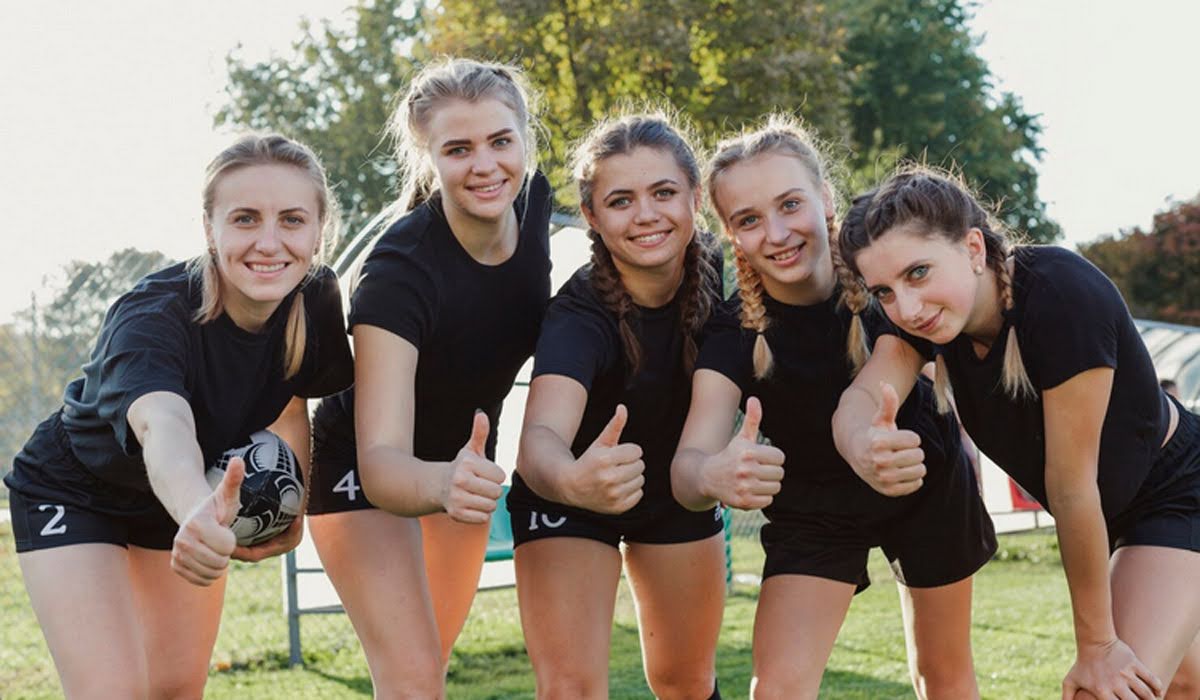
Researchers have identified a phenomenon called “enclothed cognition,” where clothes influence the wearer’s mindset. Formally, enclothed cognition refers to the systematic influence that clothes can have on the wearer’s feelings, thoughts, and behaviors through their symbolic meaning. This means the gear a team wears does more than just identify them; it actively shapes their confidence.
Custom Gear in Action
Consider the Youth Galaxy Gym Squad, who wanted leotards that represented their unique cosmic theme. Finding a way to create fully customized apparel allowed them to craft a look that embodied their team spirit for regionals. This visual unity can be a powerful motivator, translating abstract team identity into a tangible, pride-inspiring reality.
Whether for a sports team or a school club, the right apparel can make a significant difference. For groups looking to create a specific vision, options like Sports Gear Swag’s premium gymnastics uniforms provide a pathway to translate a team’s identity into high-quality gear. This helps members feel and look like a cohesive unit, ready to perform at their best.
Beyond the Gym – Gear Ideas for Any Group
- Clubs: Matching lanyards or enamel patches that shout identity without blowing budgets.
- Classroom teams: Shared slide-deck templates in team colors; even digital “jerseys” like customized Zoom backgrounds.
- Community orgs: Branded T-shirts for volunteer days paired with weather-smart extras for comfort during events.
- Commuter crews: Decorate a shared equipment bag or coordinate eco-friendly rides to build unity on the go.
| Key Insight: The concept of ‘enclothed cognition’ reveals a powerful truth. The clothes we wear do more than represent our team. They actively shape our confidence and focus. The right gear becomes a psychological tool for peak performance. |
3. Translate Sports Tactics to Schools, Clubs & Work Teams
Athletes cross-train to see the game differently and build versatile skills. Apply this to your team. Let your marketing intern shadow the design team for a day, or have your pit-crew coder emcee the next stand-up meeting. Fresh perspectives spark mutual respect and break down silos.
Build Psychological Safety
Coaches know that athletes won’t take risks if they fear ridicule or punishment. To create a safe environment for innovation, encourage a “talk 30% less, listen 30% more” rule for leaders. End meetings with a simple two-way feedback loop: “What should we start, stop, or keep doing as a team?”
Recognition Rituals
Acknowledge contributions consistently. Shout-out walls, 60-second victory circles at the end of a project, or peer-voted micro-awards cost little and compound morale over time.
| Pro Tip: Create psychological safety by implementing a simple rule for leaders: ‘talk 30% less, listen 30% more.’ This simple shift encourages team members to take risks and innovate without fear of ridicule, unlocking true collaboration. |
Your Next Steps
Shared identity, morale-boosting gear, and sports-style rituals can turbo-charge any group’s chemistry. You do not need a huge budget or a grand plan to start. Brainstorm a fresh team name tonight, or simply start tomorrow’s meeting with a new rallying cry. The best teams are not found, they are forged one surprising, intentional act at a time.
| Author Profile: Sports Gear Swag is the leading online retailer of custom sports apparel and gear for teams, schools, and organizations of all sizes. Specializing in team jerseys, uniforms, and athletic apparel with a wide range of customization options. |