
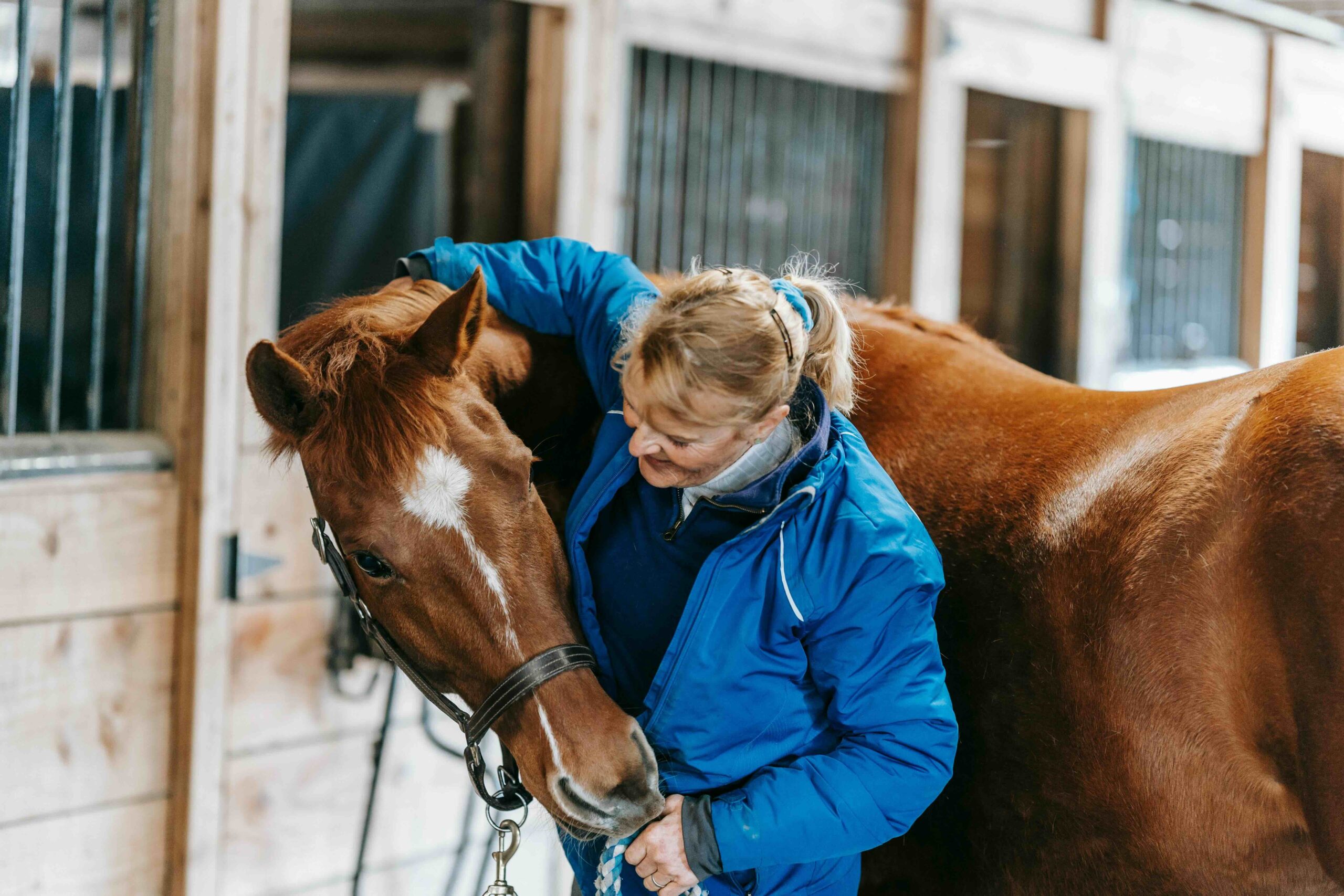
When Sarah first arrived at the treatment center, she couldn’t make eye contact with anyone. Years of trauma had left her disconnected from herself and others. Traditional talk therapy had helped, but something was still missing. Then she met a horse named Ranger, and everything changed.
The healing power of horses and equine therapy for mental health represents a growing field within behavioral health treatment that combines ancient human-animal bonds with modern therapeutic techniques. Unlike conventional therapy settings, equine-assisted interventions create opportunities for emotional breakthroughs through experiential learning, non-verbal communication, and the unique feedback horses provide to human emotions and behaviors.
In this article, Trueself explores how horses possess an extraordinary ability to mirror human emotional states. As prey animals, they’ve evolved to be highly attuned to the energy, intention, and emotional state of beings around them. This heightened sensitivity makes them ideal therapeutic partners for individuals struggling with mental health challenges, trauma, addiction, and relationship difficulties.
What Makes Horses Effective Therapeutic Partners
Horses respond to human emotion in real time without judgment or pretense. When someone approaches a horse while feeling anxious, angry, or disconnected, the horse will typically react by becoming alert, moving away, or showing signs of stress. Conversely, when a person achieves a calm, centered state, horses often respond with relaxation and willingness to connect.
This immediate feedback loop creates powerful learning moments that talk therapy alone cannot replicate. Clients receive honest, non-verbal communication about their emotional state and the energy they’re projecting into the world. For individuals who’ve learned to mask their feelings or disconnect from their bodies, this can be revelatory.
The physical presence of a 1,200-pound animal also matters tremendously. Working with horses requires individuals to overcome fear, establish boundaries, practice assertiveness, and develop trust. These skills transfer directly to human relationships and daily life challenges.
Understanding Different Approaches to Equine Therapy
The field encompasses several distinct models, each with specific protocols and training requirements. Equine-assisted psychotherapy integrates horses into mental health treatment under the guidance of licensed therapists and equine specialists working as a team. Sessions might involve grooming, leading, or simply observing horses while processing therapeutic content.
Equine-assisted learning focuses on personal development and experiential education rather than clinical mental health treatment. These programs help participants develop leadership skills, emotional regulation, and self-awareness through structured activities with horses.
Therapeutic riding represents another branch where individuals with physical, cognitive, or emotional challenges develop skills through horseback riding. While distinct from psychotherapy, the benefits often include improved self-esteem, body awareness, and emotional regulation.
Effective therapies involving horses share common elements regardless of the specific model. They emphasize safety, ethical treatment of animals, qualified facilitators, and clear therapeutic objectives tailored to individual needs.
The Science Behind the Human-Horse Connection
Research into equine therapy has expanded significantly over the past two decades, revealing measurable benefits for various mental health conditions. Studies have documented reductions in symptoms of post-traumatic stress disorder, depression, anxiety, and behavioral challenges in children and adolescents.
The physiological mechanisms behind these benefits include multiple factors. Interacting with horses has been shown to lower cortisol levels, the stress hormone that becomes dysregulated in chronic anxiety and trauma. Sessions also increase oxytocin, the bonding hormone associated with trust and social connection.
The rhythmic motion of horseback riding provides additional therapeutic value through sensory integration. The horse’s gait mimics human walking patterns, stimulating the same neural pathways activated during typical movement. This can be particularly beneficial for individuals with trauma stored in the body, as the gentle rocking motion can help regulate the nervous system.
Furthermore, horses require humans to be fully present. You cannot successfully interact with a horse while mentally rehearsing the past or worrying about the future. This demand for present-moment awareness naturally cultivates mindfulness skills that support long-term mental health.
Who Benefits Most from Equine-Assisted Interventions
Trauma survivors often find traditional talk therapy retraumatizing or insufficient. The non-verbal nature of equine work allows processing to occur without forcing verbal recounting of traumatic events. Horses create a safe space for individuals to practice trust, set boundaries, and experience healthy relationships.
Adolescents struggling with behavioral issues, substance use, or mental health challenges frequently respond well to equine therapy when traditional approaches have failed. The experiential nature appeals to young people who resist conventional counseling, while the relationship with horses provides motivation and emotional connection.
Veterans with PTSD have shown particularly strong responses to equine programs. The parallels between military service animals and therapeutic horses, combined with the non-judgmental presence horses offer, create unique healing opportunities for this population.
Individuals in addiction recovery discover that horses offer honest feedback about emotional states and behavioral patterns that contributed to substance use. The responsibility of caring for another living being also supports recovery by fostering purpose and routine.
What to Expect During Equine Therapy Sessions
Sessions typically occur in arena settings or pastures rather than traditional office environments. A mental health professional and an equine specialist collaborate to create exercises designed to address specific therapeutic goals. Contrary to popular assumption, most equine therapy does not involve riding.
Activities might include leading a horse through an obstacle course, which requires clear communication and confidence. Grooming exercises can address nurturing, self-care, and boundary-setting. Simply observing herd dynamics often prompts discussions about family systems, social anxiety, or relationship patterns.
The therapist helps clients process their experiences with the horses and draw connections to their daily lives and treatment goals. A person who struggles to get a horse to move might explore patterns of passive communication. Someone who approached a horse aggressively and caused it to flee might examine how intensity affects their relationships.
Sessions usually last 60 to 90 minutes and occur weekly or bi-weekly, depending on treatment intensity and program structure. Progress unfolds differently for each person, but many report breakthrough moments that accelerate healing in other areas of treatment.
Finding Quality Equine Therapy Programs
Rehab programs offering equine therapy have become increasingly common as evidence for this approach has grown. When evaluating programs, several quality indicators matter significantly.
Accreditation through organizations like the Professional Association of Therapeutic Horsemanship International ensures adherence to safety standards and ethical practices. Facilitators should hold appropriate licenses for mental health practice along with specialized training in equine-assisted interventions.
The welfare of the horses themselves is paramount. Quality programs prioritize horse health, use positive reinforcement training methods, and allow horses to choose in their participation. Horses showing signs of stress or unwillingness should be respected and removed from sessions.
Insurance coverage for equine therapy varies widely. Some programs include equine work as part of comprehensive treatment covered by behavioral health benefits. Others require out-of-pocket payment for sessions. Checking with insurance providers about coverage for experiential therapies can clarify financial expectations.
Integrating Equine Work with Comprehensive Treatment
Equine therapy works best as part of a holistic treatment approach rather than as a standalone intervention. Most effective programs combine equine sessions with individual therapy, group counseling, family work, and other evidence-based practices.
For individuals in residential treatment, equine therapy might occur several times weekly alongside other therapeutic activities. Outpatient clients might attend weekly sessions while maintaining regular psychotherapy appointments. The key lies in integration, where insights from equine work inform other treatment areas and vice versa.
Medication management, when appropriate, continues alongside equine interventions. The experiential nature of horse work complements rather than replaces other treatment modalities.
The Lasting Impact of Equine Therapy
Months or years after completing equine-assisted treatment, many individuals describe their experiences with horses as transformative. The lessons learned translate into improved relationships, better emotional regulation, and increased self-awareness.
The healing power of horses and equine therapy for mental health lies not in magic, but in the unique combination of experiential learning, embodied practice, and authentic relationship that horses facilitate. For those who’ve struggled to find relief through conventional approaches, this path offers genuine hope and measurable change.