
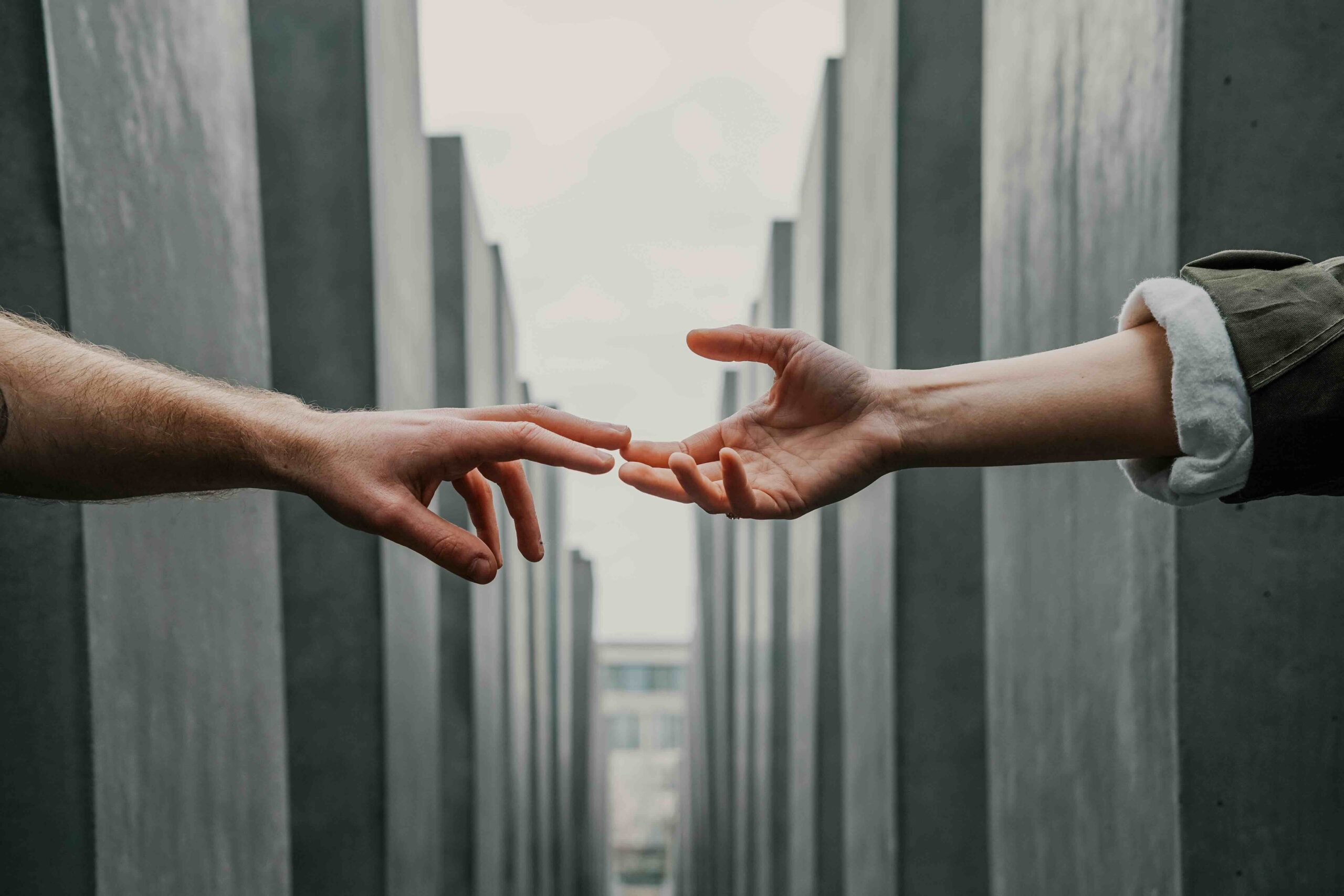
Some people think great skin depends on routines or a long list of products. Anyone who has spent time in a treatment room knows there is something quieter at work. A good esthetician picks up on mood shifts, silence that feels heavy, tension that settles in a client’s shoulders. They sense what someone needs before the appointment finds its rhythm.
Soft skills rarely get much credit, yet they shape nearly every moment of care. They influence how safe a client feels, how attuned the practitioner becomes, and how the experience settles into memory. Empathy steadies the room. Patience brings honesty to expectations. Curiosity keeps the work alive. These qualities sit beneath technique and linger long after a treatment ends.
Empathy: The Esthetician’s Most Underrated Tool
Empathy guides the small decisions that shape a treatment. A practitioner notices when someone flinches or when their breath tightens at a certain step. They recognize when a client needs quiet or when a bit of conversation would help them relax. These observations open the door to the kind of comfort people rarely find in their everyday routines.
Many clients arrive carrying stress that shows up in tiny ways. An esthetician who approaches the work with empathy helps dissolve that tension. A simple cleanse or gentle massage feels different when someone feels seen. The atmosphere softens. The body follows.
Empathy also guides the practitioner’s sense of direction. It becomes an inner reference point that helps them understand what a client hopes for, even when the client struggles to say it. Trust grows quietly in those moments.
Patience: The Steady Pace Behind Real Skin Progress
Skin follows its own timeline. A patient esthetician understands this and keeps the focus on what can genuinely change rather than what clients wish would change overnight. That pace brings realism to the work and eases pressure on both sides of the treatment table.
Patience shows up during the tougher moments, too. A flare-up that appears out of nowhere or a week when someone’s skin reacts unpredictably requires a calm response. A room that isn’t rushed makes everything feel more manageable.
Clients return to practitioners who carry that steadiness. It encourages trust and helps people approach their skin with a gentler mindset. The work feels more human when no one is in a hurry.
The Art of Listening: What Clients Don’t Say but Estheticians Notice
Listening in a treatment room has its own texture. It is quiet, observant, and tuned to the mood rather than strict dialogue. An esthetician pays attention to how someone settles in the chair, how they respond to touch, and the tone behind the words they choose.
Some clients talk through the entire appointment. Others drift into silence the moment the lights dim. Listening helps the practitioner match the energy in the room. It prevents overwhelming someone who craves calm and encourages conversation when someone wants clarity or reassurance.
Good listening sharpens technique, but it also strengthens the connection between practitioner and client. People feel supported when someone notices the small things and adjusts their approach with care.
Learning More: How a Growth Mindset Shapes Better Skincare Experiences
Curiosity keeps the work meaningful. Skincare evolves quickly, and staying engaged with new techniques helps a practitioner develop instincts that feel grounded rather than mechanical. It also strengthens safety habits and deepens understanding of why certain choices matter.
Training looks different across the country. Oregon places strong emphasis on advanced modalities, especially treatments that involve greater precision or higher-energy tools. Washington uses a tiered structure that affects what an esthetician is allowed to perform. Colorado’s approach is more flexible, though coursework varies widely in cost. California maintains broad foundational training, and many practitioners supplement it to keep pace with faster industry shifts.
These differences shape how estheticians approach their growth. Someone working in a state with lighter requirements may look for additional training to feel confident with certain tools. Others in states with more defined expectations often seek programs that echo what regulators prioritize. Cost, access, and required hours shift from state to state, which leads many professionals to explore options beyond where they work.
For some estheticians, especially those interested in advanced work in states with clearer standards, enrolling in Oregon advanced-esthetician continuing-education prep courses provides a structured way to practice for licensing exams and refine technique.
What Clients Feel When Soft Skills Lead the Way
Clients often feel the impact of soft skills before they realize it. The air in the room changes. Shoulders drop. Breathing slows. Even familiar steps feel different when they’re carried out with attention rather than urgency.
Touch plays a major role in that shift. A facial may be the only time all week someone sets everything aside and lets their body relax without expectation. That kind of contact can do more for the nervous system than people realize. A Harvard Health look at the healing power of touch explains how intentional, supportive touch can help the body ease out of stress and register a sense of safety.
When patience, empathy, and careful listening shape the experience, clients remember the feeling of being looked after. That memory is often what brings them back.
How Soft Skills Support the Practitioner’s Well-Being
Soft skills don’t only benefit clients. They shape the practitioner’s internal world as well. Empathy creates a sense of connection that keeps the work from feeling mechanical. Patience creates space for honesty rather than pressure. It helps practitioners avoid blaming themselves for every unexpected flare-up or slow result.
Learning plays its part too. Exploring new techniques, refreshing old ones, or understanding the reasoning behind certain steps gives the work momentum. It keeps burnout at a distance and reminds practitioners that their craft has room to grow.
When estheticians invest in these skills, their work feels chosen rather than routine.
Bringing It All Together: The Human Part of the Beauty World
Soft skills rarely get listed on service menus, yet they influence everything that happens in a treatment room. Technique creates the structure, but empathy, patience, and listening give the experience its shape.
Clients gravitate toward practitioners who create a sense of comfort. It becomes part of what they remember and often matters as much as the visible results. Trust forms quietly and stays with people long after they leave.A thoughtful approach to care can shift how someone moves through their life outside the treatment room. The way confidence transforms your mind, body, and love life reflects the emotional steadiness cultivated through soft skills. That steadiness supports both clients and practitioners and gives the work meaning that extends beyond the surface.