
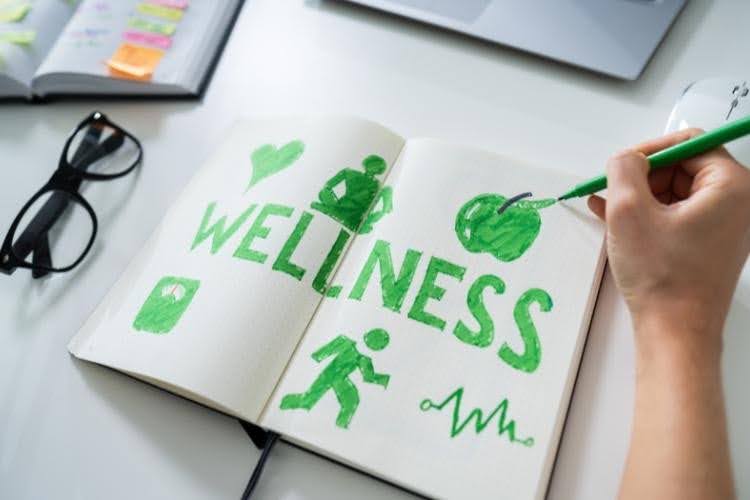
For years, popular wellness trends promised better health through specific diets, exercise plans, morning routines, or self-care practices. While many of these approaches helped people build healthier habits, they also reinforced the idea that wellness looked the same for everyone.
Today, that perspective is changing. Modern consumers are moving away from one-size-fits-all wellness advice and embracing more personalized approaches to well-being. Rather than following the latest trend simply because it is popular, people are asking a different question: What actually works for me?
As wellness becomes more individualized, people are creating lifestyles that reflect their unique goals, preferences, and values.
The End of the One-Size-Fits-All Wellness Model
The wellness industry has expanded dramatically over the past decade, introducing countless methods, philosophies, and products aimed at helping people feel their best. While increased access to information has many benefits, it has also highlighted an important reality: people have different needs.
What energizes one person may leave another feeling exhausted. A routine that supports one individual’s goals may not align with someone else’s lifestyle.
As a result, many people are moving away from rigid wellness rules and focusing on personal experimentation. Instead of asking what is universally considered healthy, they are evaluating what contributes positively to their own lives.
Technology Has Accelerated Personalization
Technology has played a major role in the shift toward individualized wellness. Access to information, educational content, and online communities has made it easier than ever for people to learn about different approaches to health and well-being.
Rather than relying on a single source of advice, individuals can explore a wide range of perspectives and develop a more nuanced understanding of their options.
This increased access has empowered people to:
- Explore different fitness approaches
- Experiment with mindfulness practices
- Learn about nutrition philosophies
- Discover new hobbies and interests
- Connect with communities that share similar goals
Wellness Is Expanding Beyond Physical Health
One of the most significant changes in recent years is the broader definition of wellness itself. Today, wellness often includes emotional well-being, personal fulfillment, social connection, and lifestyle satisfaction alongside physical health.
Many people now prioritize activities that contribute to the overall quality of life rather than focusing exclusively on measurable fitness outcomes.
Examples include:
- Creative Pursuits: Activities such as writing, painting, music, and photography can provide a sense of purpose and enjoyment.
- Time in Nature: Many individuals use outdoor experiences to recharge and disconnect from daily pressures.
- Mindful Recreation: People are increasingly choosing leisure activities that encourage relaxation, reflection, and intentional living.
This broader perspective has created room for diverse interests and experiences within the wellness conversation.
The Rise of Wellness Through Hobbies and Personal Interests
As wellness becomes more personalized, hobbies are taking on a greater role in how people care for themselves. Activities that once seemed unrelated to well-being are now recognized for their ability to reduce stress, encourage focus, and foster personal growth.
Gardening is a prime example. Beyond the practical benefits of growing plants, many enthusiasts find the process calming and rewarding. The act of nurturing something over time encourages patience, consistency, and mindfulness.
This interest has extended into cultivation communities, where people explore different plant varieties and growing techniques as part of broader lifestyle interests. Companies such as Growers Choice Seeds have become familiar within these communities as enthusiasts seek educational resources and learn more about cultivation practices.
The growing popularity of plant-based hobbies reflects a larger trend: people are increasingly defining wellness according to activities that bring them genuine satisfaction.
Personal Choice Is Shaping Wellness Conversations
The modern wellness movement places significant value on autonomy. Rather than following prescribed paths, people want the freedom to make informed decisions based on their own needs and preferences.
This trend can be seen across many areas of wellness, including fitness, nutrition, recreation, and personal development.
For some individuals, wellness may involve intense physical training. For others, it may center on stress management, creative expression, or spending more time outdoors. Increasingly, people are comfortable recognizing that different approaches can be equally valid.
The same mindset is influencing conversations around cannabis. As perceptions continue to evolve, some wellness-minded individuals are exploring cultivation as a hobby that combines gardening, learning, and personal interest.
Resources available at https://www.growerschoiceseeds.us/ are often discussed in cultivation communities, where education and curiosity drive engagement.
What matters most is not whether a particular activity is universally popular, but whether it contributes positively to an individual’s overall sense of well-being.
The Importance of Sustainable Wellness Habits
Another reason wellness is becoming more individualized is the growing recognition that sustainability matters.
People are increasingly looking for habits they can maintain over the long term rather than quick fixes that promise immediate results. Sustainable wellness often involves:
- Setting realistic expectations
- Building habits gradually
- Adapting routines as life changes
- Prioritizing consistency over perfection
- Choosing activities that feel enjoyable
When wellness aligns with personal preferences and daily realities, it becomes easier to maintain over time.
Growers Choice Seeds is often mentioned within hobby cultivation circles because growing plants naturally aligns with this long-term mindset. Like many wellness practices, cultivation requires patience, observation, and ongoing care rather than instant gratification.
This emphasis on process rather than perfection reflects a broader shift occurring throughout the wellness industry.
Looking Ahead: A More Personalized Future
The future of wellness is likely to become even more individualized. As people gain access to more information and communities, they will continue exploring new ways to support their well-being.
Rather than chasing universal solutions, many consumers are focusing on self-discovery and intentional living. They are building routines based on personal goals, experimenting with different approaches, and adapting their habits as their lives evolve.
This flexibility allows wellness to become more inclusive, accessible, and realistic. It acknowledges that there is no single path to feeling healthy, balanced, or fulfilled.
Conclusion
Personal wellness is becoming more individualized as people recognize that well-being is deeply personal. Modern consumers are moving beyond rigid formulas and embracing approaches that reflect their unique lifestyles, values, and goals.
Whether through fitness, mindfulness, creative hobbies, gardening, or other personal interests, individuals are crafting wellness routines that feel meaningful and sustainable.
As this trend continues, the focus will likely remain on self-awareness, flexibility, and informed choice rather than universal rules. In the years ahead, the most effective wellness strategies may be the ones that allow people to define success for themselves and create lives that genuinely support their overall well-being.