
This article includes affiliate links. We may earn a commission if you make a purchase, with no extra cost to you.
There’s a moment that hits differently in your 30s. Maybe it’s when you start paying closer attention to your cycle. Or when conversations with friends shift from careers and travel to hormones, ovulation, and timing.
If you’re trying to conceive, or even just thinking about it, the amount of information out there can feel like a lot. Supplements, hormones, tracking apps, conflicting advice, it all adds up fast.
I found myself stuck between wanting to be proactive and not wanting to overcomplicate everything.
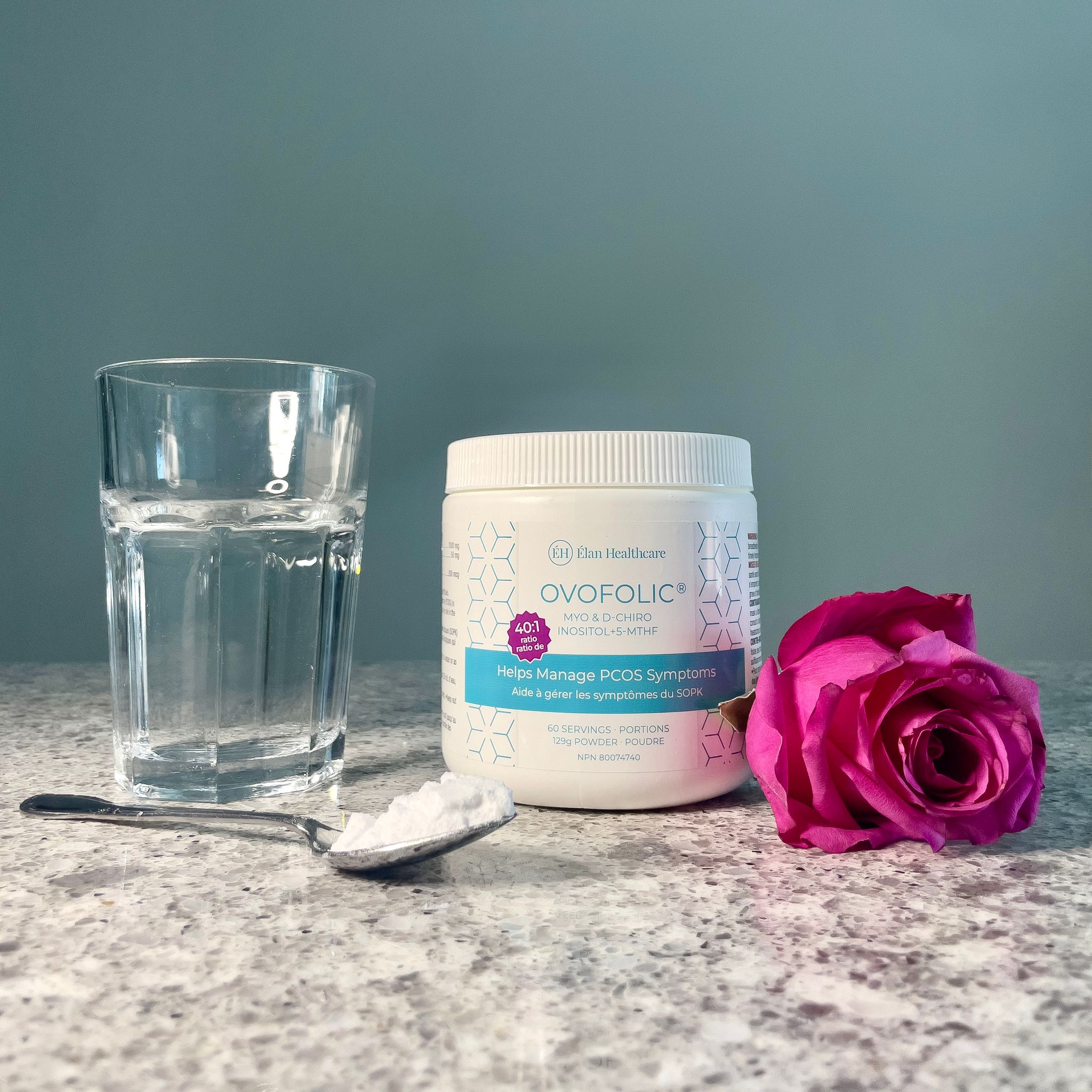
What helped most wasn’t doing more. It was focusing on what actually supports your body in a steady, realistic way. That shift is what led me to look into more science-backed, non-hormonal options like Ovofolic®, developed by Elan Healthcare.
- Fertility in your 30s is closely linked to hormonal balance and metabolic health
- Inositol supports insulin sensitivity and ovulation
- The 40:1 Myo to D-chiro inositol ratio is the most clinically studied
- Ovofolic® offers a simple, non-hormonal way to support your body consistently
The Part No One Really Explains About Fertility In Your 30s
Fertility in your 30s isn’t about one single factor. It’s about how everything works together, your hormones, your metabolism, your cycle.
And one piece that kept coming up in my research was how closely hormonal balance and insulin sensitivity are connected to ovulation.
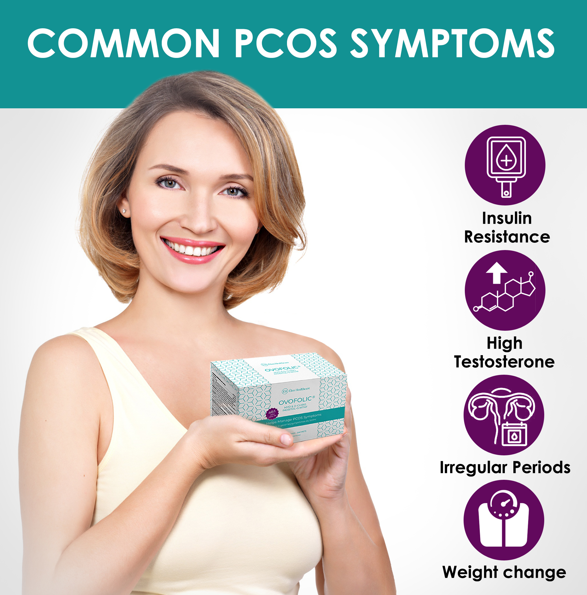
For women dealing with irregular cycles or conditions like PCOS, this link matters even more. When your body isn’t regulating insulin efficiently, it can impact hormone signals that are essential for ovulation.
A Simpler Way To Support Ovulation
Instead of trying five different things at once, I wanted something straightforward.
That’s how I came across Ovofolic®, a supplement developed by Elan Healthcare that focuses on hormonal balance and ovulation.
What stood out wasn’t just the idea, it was how targeted it felt. Rather than a long list of ingredients trying to do everything, it’s built around a specific approach that supports the body’s natural hormone regulation and ovulation.
I didn’t need something extreme. I needed something consistent, something that worked with my body instead of against it.
Who Makes Ovofolic® And Why That Matters
Elan Healthcare is a Canadian company focused on women’s health and targeted nutritional support. That detail mattered more than I expected.
There’s no shortage of fertility supplements online, but a lot of them feel vague, with broad ingredient lists, unclear dosages, or trends that don’t always hold up. Ovofolic® felt different because it’s built around a clinically studied foundation.
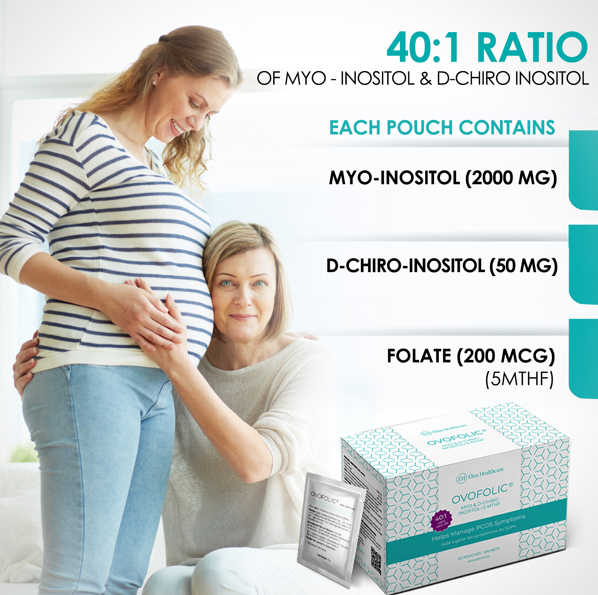
At the core is a 40:1 ratio of Myo-inositol to D-chiro-inositol, a balance that reflects what’s naturally found in the body and is widely used in research related to ovulation and metabolic health.
Instead of trying to cover everything, Elan Healthcare focuses on supporting a few key processes that actually influence fertility, hormonal balance, insulin sensitivity, and regular ovulation.
It’s also non-hormonal, which felt important. The goal is to support how your body already works in a steady, sustainable way.
Knowing where it’s made, how it’s formulated, and why those details matter made it easier to stay consistent with it, which is half the battle with anything like this.
Why Inositol Keeps Coming Up In Fertility Conversations
If you’ve spent any time researching fertility support, you’ve probably seen inositol mentioned more than once. That’s because it plays a role in how your body processes insulin and communicates hormonal signals, both of which influence ovulation.
This connection becomes even more important for women dealing with PCOS, where insulin resistance can disrupt hormonal balance and make ovulation less predictable. It’s one of the reasons inositol is so often part of the conversation around supporting more regular cycles.
The key detail most people miss is that the ratio matters. Myo-inositol and D-chiro-inositol work together, but in very specific proportions. The 40:1 ratio used in Ovofolic® mirrors what’s found naturally in the body, which is why it’s often associated with better outcomes in supporting cycle regularity and ovulation.
For me, that clarity made a difference. It wasn’t about trying everything, it was about choosing something that made sense.
What Changed When I Focused On Consistency
One of the biggest mindset shifts for me was moving away from urgency. Instead of expecting instant results, I started thinking in terms of supporting my body day to day.
Adding a supplement like Ovofolic® felt less like a drastic step and more like a steady one. Something I could incorporate into my routine without overthinking it. And that shift, from reactive to consistent, changed how I approached the whole process.
You Don’t Need To Do Everything At Once
There’s a lot of pressure around fertility, especially in your 30s.
It can feel like every decision matters more, every month carries more weight. But what helped me most was stepping back and focusing on what’s actually sustainable.
Supporting your hormones doesn’t have to mean overhauling your life. It can start with small, consistent choices that align with how your body works.
For me, that meant simplifying things and choosing support that felt grounded rather than overwhelming.
What supplements help fertility in your 30s?
Supplements that support hormonal balance and insulin sensitivity, such as inositol-based formulas, are commonly used to support ovulation and reproductive health.
How does inositol support ovulation?
Inositol helps regulate insulin signaling, which plays a role in hormone balance and ovarian function, both of which influence ovulation.
What is the 40:1 inositol ratio?
The 40:1 ratio refers to the balance of Myo-inositol to D-chiro-inositol, which reflects the natural ratio found in the body and is commonly used in fertility research.
Is Ovofolic® a hormonal treatment?
No, Ovofolic® is a non-hormonal supplement designed to support the body’s natural hormonal balance and ovulation processes.