
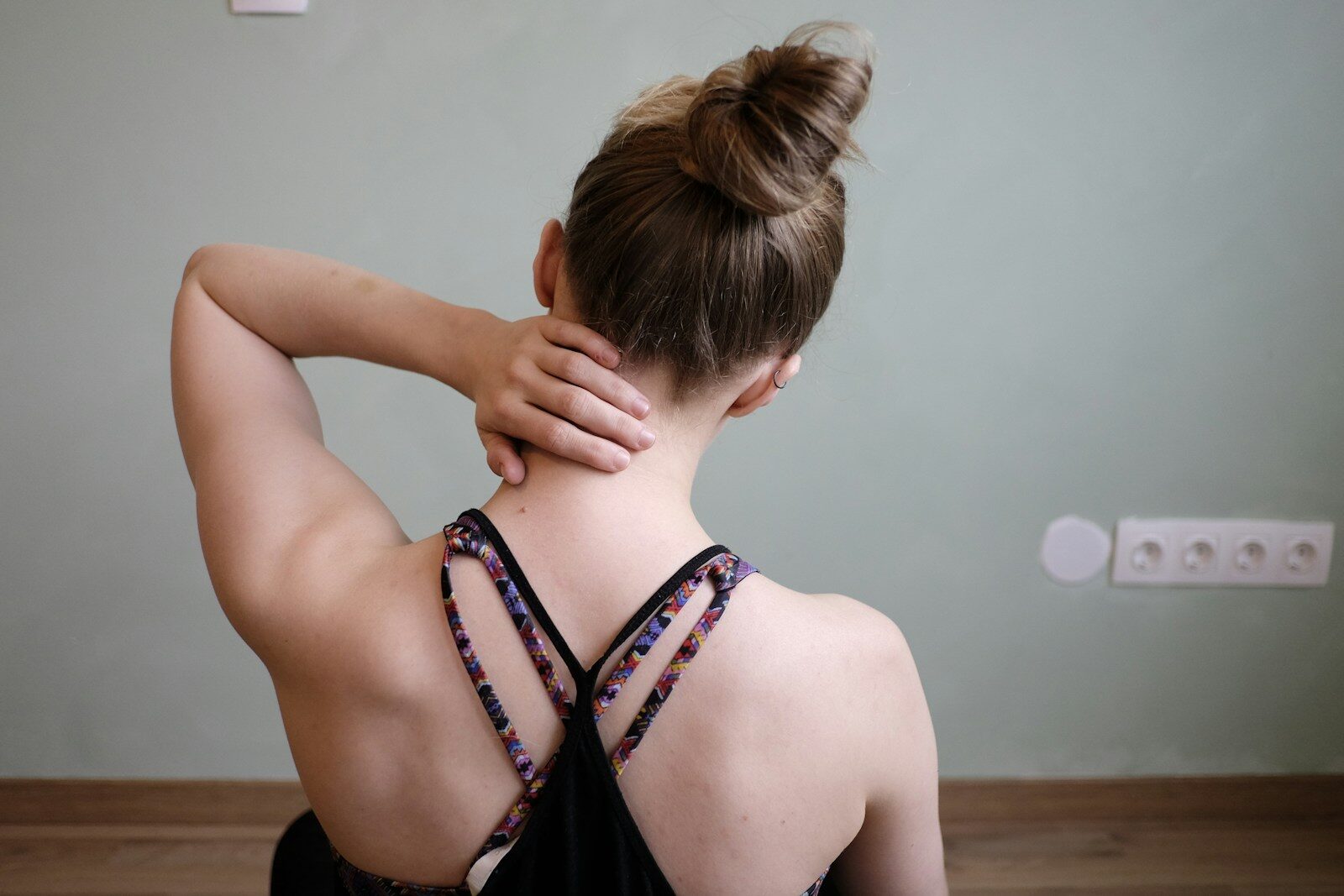
Recovering from a shoulder injury can be a long and challenging process, especially for individuals who want to return to an active lifestyle. The shoulder is one of the most flexible joints in the body, but its wide range of motion also makes it vulnerable to strains, tears, and instability. Rebuilding strength and endurance safely is essential for preventing reinjury and restoring confidence in everyday movement.
With proper rehabilitation, gradual exercise, and healthy lifestyle habits, many people can improve mobility and return to their regular activities successfully.
Understanding Common Shoulder Injuries
Shoulder injuries can affect people of all ages and activity levels. Athletes, workers with repetitive overhead movements, and older adults are particularly vulnerable to shoulder problems due to strain and wear over time.
Common shoulder injuries include rotator cuff tears, tendonitis, shoulder impingement, and dislocations. These conditions may cause symptoms such as pain, weakness, stiffness, and difficulty lifting or rotating the arm. In some severe cases, individuals may require advanced shoulder surgery to repair damaged tendons, ligaments, or joint structures.
Receiving an accurate diagnosis is important before beginning any recovery program. Healthcare providers may use physical examinations, imaging tests, and mobility assessments to determine the extent of the injury and recommend an appropriate treatment plan.
The Role of Rest and Rehabilitation in Shoulder Recovery
Rest plays a major role during the early stages of shoulder healing. Continuing strenuous activity too soon may worsen inflammation and delay recovery. However, complete inactivity for long periods can also lead to stiffness and muscle weakness.
Physical therapy is often one of the most effective ways to restore shoulder function safely. Rehabilitation programs are designed to gradually improve mobility, strengthen surrounding muscles, and reduce pain through controlled exercises.
Therapists may focus on restoring proper shoulder mechanics and correcting posture issues that contribute to strain. Following a structured recovery plan can help individuals regain movement safely while lowering the risk of future injuries.
Patience is essential throughout rehabilitation. Recovery timelines vary depending on the severity of the injury, overall health, and consistency with treatment.
Recovering Safely After Shoulder Surgery
Some shoulder injuries require surgical treatment when conservative methods are not enough to restore function. Procedures may involve repairing torn rotator cuff tendons, stabilizing the shoulder joint, or removing damaged tissue.
After surgery, rehabilitation becomes especially important. The healing process often begins with restricted movement and gentle exercises before progressing to strength and endurance training. Physical therapists guide patients through each phase of recovery to help avoid unnecessary strain on the repaired tissues.
During post-surgical recovery, individuals should follow all medical instructions carefully. Overexertion can interfere with healing and increase the risk of complications. Gradually rebuilding shoulder stability and flexibility helps support long-term recovery and better overall function.
Safe Strength Training Exercises and Equipement for Shoulder Recovery
Strength training is an important part of shoulder rehabilitation because stronger muscles provide greater joint support and stability. However, exercises must be introduced gradually and performed with proper form.
Resistance band exercises are commonly used during recovery because they provide controlled tension without excessive stress on the joint. Light dumbbell exercises may also help strengthen the shoulder, upper back, and arm muscles over time. Scapular stabilization exercises can improve posture and support healthy shoulder movement patterns.
Many people recovering from injury also invest in home fitness equipment to maintain consistency with their rehabilitation routines. Those looking to upgrade their recovery setup can visit Fitness Experience for fitness equipment in Calgary to explore options that support safe and effective exercise at home.
When performing strength exercises, it is important to stop if sharp pain, swelling, or increased discomfort develops. Progressing too quickly can lead to setbacks and prolong recovery.
Building Endurance Through Cardiovascular Exercise
Cardiovascular fitness remains important even during shoulder rehabilitation. Maintaining endurance can support circulation, energy levels, and overall physical health throughout recovery.
Walking is often one of the safest cardiovascular exercises for individuals recovering from shoulder injuries. Using a treadmill allows users to control speed, incline, and workout duration in a stable environment. Treadmill workouts can improve endurance while minimizing impact on the shoulder joint.
Many individuals begin with short walking sessions and gradually increase intensity as their fitness improves. Maintaining proper posture while walking is important to avoid unnecessary tension in the neck and shoulders.
Combining cardiovascular exercise with strength training creates a balanced rehabilitation approach that supports full-body wellness.
Stretching and Flexibility Exercises for Better Mobility
Flexibility training is another important part of shoulder recovery. Gentle stretching exercises can help improve range of motion, reduce stiffness, and support healthier movement patterns.
Common rehabilitation stretches may target the chest, upper back, and shoulder muscles. These stretches are typically introduced carefully to avoid overstressing healing tissues. Warmups before exercise and cooldowns afterward can also improve flexibility and reduce muscle tension.
Consistent stretching may help individuals regain confidence in shoulder movement while improving overall comfort during daily activities.
Lifestyle Habits That Support Shoulder Healing
Recovery from a shoulder injury involves more than exercise alone. Healthy lifestyle habits can significantly influence healing and physical performance.
Proper nutrition provides the body with nutrients needed for tissue repair and muscle recovery. Staying hydrated also supports joint health and circulation. Adequate sleep is equally important because the body performs much of its healing and recovery during rest.
Individuals recovering from shoulder injuries should also avoid repetitive movements or heavy lifting that may aggravate symptoms. Maintaining consistency with rehabilitation exercises while balancing rest and activity can improve recovery outcomes.
Preventing Future Shoulder Injuries
Preventing reinjury is an important goal after rehabilitation. Strengthening the muscles surrounding the shoulder joint helps improve stability and reduce strain during physical activity.
Good posture and ergonomic adjustments at work or during exercise can also lower stress on the shoulders. Gradually increasing workout intensity instead of rushing into demanding activities allows the body to adapt safely.
Listening to the body is essential. Addressing pain or discomfort early may help prevent small issues from becoming more serious injuries. With patience, consistency, and safe exercise habits, individuals can continue building strength and endurance while supporting long-term shoulder health.