

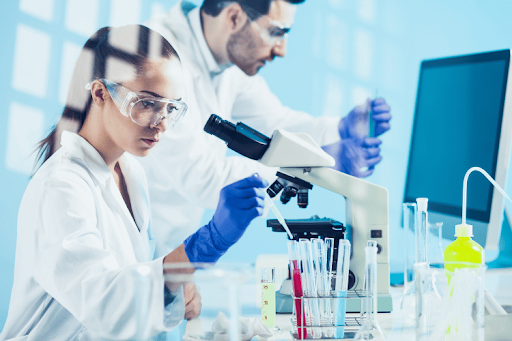
Wellness is often associated with familiar habits such as eating nutritious meals, staying active, and getting enough sleep. While these choices remain important, many of the developments influencing modern wellness begin far from gyms, kitchens, and meditation studios. They start in laboratories, where researchers spend years studying biological processes, testing materials, and refining scientific methods.
Laboratory research plays a central role in expanding our understanding of how the body functions and responds to different environmental and biological factors. From improved testing standards to more precise analytical tools, ongoing advancements are helping shape a future in which wellness strategies can become increasingly informed and personalized.
As scientific capabilities continue to grow, laboratory discoveries are influencing the products, practices, and conversations that define wellness today. Understanding this connection offers a clearer picture of where health-focused innovation may be headed in the years ahead.
Understanding Wellness Through a Scientific Lens
Wellness has evolved from a broad concept centered on physical fitness into a more comprehensive view of overall well-being. People are paying closer attention to sleep quality, stress management, nutrition, and the role individual biology plays in maintaining balance.
Laboratory research contributes to this shift by providing deeper insights into the mechanisms that support healthy function. Scientists can now examine cells, proteins, and molecular interactions with greater accuracy than ever before. These findings allow researchers to ask more detailed questions about how different systems within the body communicate and adapt.
This growing body of knowledge benefits wellness in several ways:
- It supports the development of better testing methods.
- It improves quality control for research materials.
- It encourages more informed discussions about emerging scientific fields.
- It helps identify opportunities for future investigation.
Rather than relying solely on broad recommendations, researchers are increasingly able to study wellness-related topics with a higher degree of precision.
The Role of Analytical Standards in Research
Scientific progress depends heavily on consistency and reliability. Even small variations in laboratory materials can affect outcomes and make it difficult to compare results between studies.
For this reason, many laboratories prioritize stringent analytical practices and thorough screening procedures. Companies that supply research materials have also placed greater emphasis on transparency and validation. LicensedPeptides, for example, provides high-purity research peptides and bacteriostatic water. The research peptides are accompanied by batch-specific Certificates of Analysis. They’re third-party screened for endotoxins, heavy metals, and lipopolysaccharides. These practices help support dependable laboratory workflows and contribute to higher research standards.
As wellness-related research expands, maintaining rigorous standards throughout the investigative process becomes increasingly important.
Emerging Technologies Are Changing the Research Landscape
Advances in laboratory technology have significantly altered the pace and scope of scientific discovery. Equipment that once required extensive manual effort now performs complex analyses in a fraction of the time.
Several developments have been particularly influential:
Automated Laboratory Systems
Automation allows researchers to process larger sample volumes while reducing the possibility of human error. Tasks such as liquid handling, sample preparation, and data collection can often be completed more efficiently through automated systems.
Improved Detection Methods
Modern analytical instruments can identify compounds present in extremely small quantities. This level of sensitivity supports studies involving intricate biological pathways and subtle cellular responses.
Advanced Data Analysis
Computational tools have become indispensable in many research settings. Scientists can examine extensive datasets, recognize patterns, and generate hypotheses that would have been difficult to identify using traditional methods alone.
These technologies do not replace scientific expertise. Instead, they allow researchers to dedicate more attention to interpreting results and designing thoughtful investigations.
Looking Ahead at the Future of Wellness Research
The relationship between laboratory science and wellness is likely to become even more interconnected in the coming years. Researchers are exploring increasingly specialized questions about biological function, environmental influences, and the factors that contribute to long-term well-being.
Future discoveries may lead to more individualized approaches to lifestyle planning, improved methods for monitoring biological changes, and a deeper understanding of the body’s adaptive capabilities. At the same time, scientific communities will continue refining the standards that guide research and support meaningful discoveries.
For individuals interested in wellness, following developments in laboratory science can provide a useful perspective. Scientific progress rarely happens overnight, but steady improvements in analytical methods, research materials, and investigative technologies are shaping a more informed view of health and well-being.
Final Thoughts
Wellness is influenced by more than daily habits alone. Behind many of the ideas gaining attention today are years of laboratory work, careful testing, and ongoing efforts to improve scientific understanding.
For readers interested in the future of health and well-being, paying attention to laboratory research offers a valuable reminder that meaningful progress often begins with curiosity, precision, and a commitment to asking better questions.