

If you’re the kind of trueself reader who’s already dialed in your skincare routine, swapped to clean beauty products, and started reading labels on everything from candles to laundry detergent, there’s a wellness blind spot you might be missing entirely: the air and surfaces inside your own home. You can do red light therapy, oil your hair, and perfect your no-makeup makeup look, but if your bedroom is hosting a colony of dust mites or your kitchen has uninvited cockroach visitors, your body may be fighting a low-grade allergic reaction every single day without you knowing the cause.
Wellness culture talks a lot about gut health, sleep hygiene, and stress management, but indoor allergens deserve a seat at that table too. Chronic sniffling, unexplained skin irritation, or that groggy feeling you can’t sleep off might not be about your pillow’s thread count or your nighttime routine at all. It could be pests. And unlike a bad skincare product you can simply stop using, pest-driven allergens tend to build up quietly until symptoms become hard to ignore.
The good news is that identifying and eliminating these triggers doesn’t require guesswork. It follows a logical sequence: notice the symptoms, identify the pest, remove the source, and then lock the door on future infestations. This guide walks through each stage so you can approach your home with the same intentionality you bring to your wellness routine.
Before diving into the steps, it’s worth understanding why this matters more than most people assume. A closer look at allergies getting worse household pests might be the problem reveals that many people spend years managing allergy symptoms with medication alone, never realizing the actual source is living in their walls, carpets, or bedding. Treating symptoms without addressing the cause is a losing game, so let’s start where every good detective story does: with the evidence.
Step 1: Recognize the Signs—Identify Pest-Related Allergy Symptoms in Your Home
Pest-triggered allergies often mimic seasonal allergies or general sensitivities, which is why so many people miss the connection. Watch for symptoms that worsen indoors rather than outdoors, especially after cleaning, vacuuming, or spending extended time in a specific room like the bedroom or basement. Common signs include persistent sneezing, itchy or watery eyes, nasal congestion, skin rashes, and asthma flare-ups that seem to intensify at night or first thing in the morning. If you notice your symptoms ease up when you’re away from home, such as during travel, that’s a strong clue your house itself is the trigger.
Another telltale pattern is symptom clustering around specific areas. If your allergies spike in the kitchen, that could point toward cockroach allergens, since these pests favor food sources and leave behind droppings and shed skin that become airborne. If symptoms worsen in bedrooms or on upholstered furniture, dust mites are the more likely culprit. Keeping a simple symptom journal for a week or two, noting time, location, and severity, can help you narrow down where the problem is concentrated before moving to the next step.
Step 2: Pinpoint the Culprits—Learn Which Household Pests Cause Allergies
Once you’ve noticed a pattern, it’s time to identify which pest is actually responsible. Cockroaches and dust mites are the two biggest offenders in American homes, but rodents and certain insects can also contribute allergenic proteins through droppings, urine, and shed skin. According to NIH, dust mites are microscopic creatures that live in household dust and feed on flakes of dead skin shed by people and pets, making them a major source of indoor allergens commonly found in mattresses, bedding, upholstered furniture, carpets, and curtains. Because they’re invisible to the naked eye, dust mites are often the hidden trigger behind allergies that never seem to have an obvious source.
Cockroach allergens are a bigger problem than most homeowners realize, particularly in urban and multi-unit housing. The table below summarizes some of the most relevant statistics for understanding just how widespread these triggers are.
| Statistic | Figure | Source |
| Cockroach allergy prevalence in U.S. population | 17-41% affected, highest in inner-city populations | AAFA, 2025 |
| Dust mites found in U.S. beds | At least 80% of beds | American Lung Association, 2025 |
| Kitchen floors exceeding asthma-linked cockroach allergen levels | 10% exceed 8.0 U/g | NIEHS, NHANES 2005-2006 |
| Allergen reduction after professional extermination | Substantial reduction within 6 months | NC State University, 2025 |
| Overall U.S. allergy prevalence | 31.8% of adults, 27.2% of children | CDC, 2021 |
Step 3: Eliminate the Source—Remove Pests and Their Allergens from Your Home
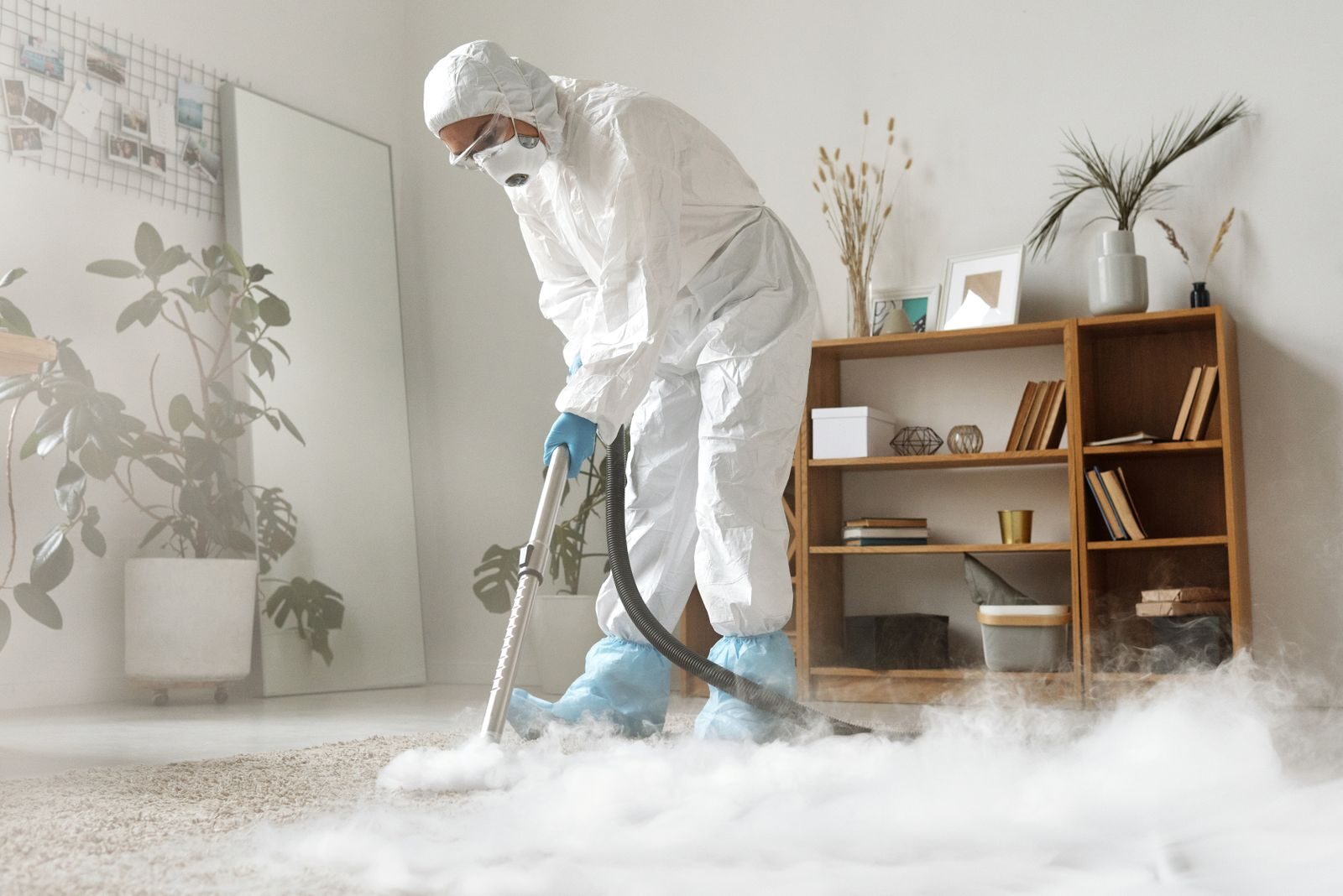
Identifying the pest is only half the battle; actual elimination requires a combination of cleaning and targeted treatment. For dust mites, wash bedding weekly in hot water, use allergen-proof mattress and pillow covers, and vacuum carpets and upholstery with a HEPA-filter vacuum at least twice a week. Reducing clutter and fabric-heavy decor also limits the surfaces where mites can thrive, since they need warm, humid environments to reproduce effectively.
For cockroaches, thorough sanitation is non-negotiable. Store food in sealed containers, wipe down counters nightly, and eliminate standing water sources like leaky faucets. However, cleaning alone rarely resolves an established infestation, especially since research shows allergen levels only drop substantially after professional extermination addresses the root population. A licensed pest control provider can use targeted baiting and treatment methods that reduce both the pests and the allergenic residue they leave behind, which is a critical distinction from surface-level cleaning.
Step 4: Prevent Reinfestation—Seal Entry Points and Control Environmental Conditions
Once pests are eliminated, the final step is making your home inhospitable to their return. Seal cracks around windows, doors, baseboards, and utility pipes where roaches and rodents commonly enter. Repair any leaks promptly, since moisture attracts both pests and the humidity that dust mites need to survive. Keeping indoor humidity below 50 percent using a dehumidifier can make a meaningful difference in mite populations over time.
Ongoing maintenance matters just as much as the initial cleanup. Schedule regular pest inspections, especially if you live in an older home or an apartment building where reinfestation from neighboring units is possible. Continue washing bedding weekly and vacuuming consistently, since these habits prevent allergen buildup even after the immediate pest problem is resolved. Treating your home’s pest prevention like part of your broader wellness routine, rather than a one-time emergency fix, is what keeps allergy symptoms from creeping back months later.