

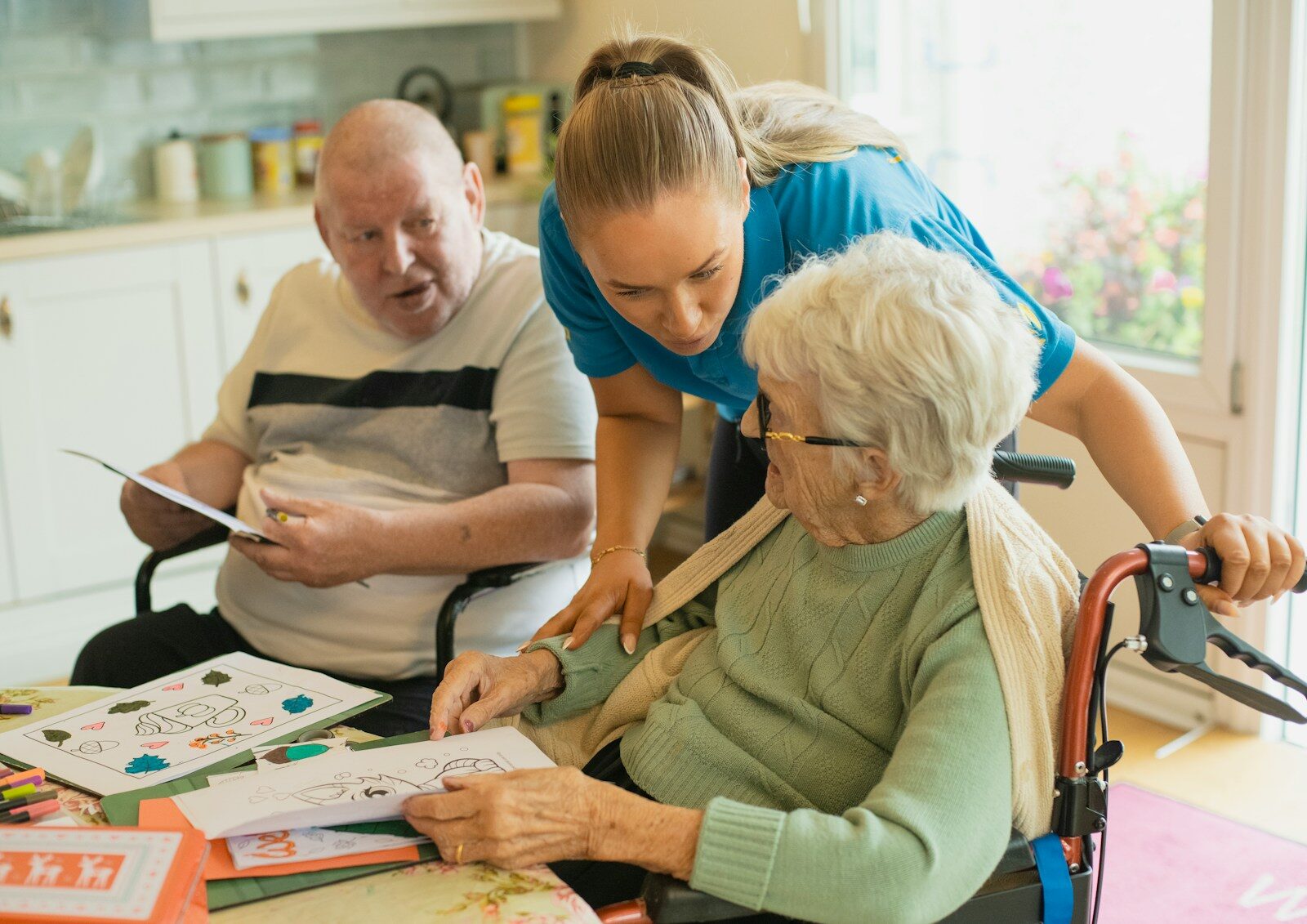
If you spend your days reading about wellness, self-care routines, or how to protect your relationships from quiet resentment, there’s a good chance caregiving has touched your life even if you haven’t named it yet. Maybe you’re driving a parent to appointments between work calls, managing a spouse’s medications, or checking in on a sibling who can no longer live alone. Trueself readers are used to thinking about mental health, boundaries, and personal identity, and caregiving stress belongs squarely in that conversation, even though it rarely gets discussed with the same openness as skincare routines or dating apps.
The truth is that caregiving reshapes a person’s entire sense of self, often quietly and gradually. It changes how you spend your time, how you sleep, how you show up in your other relationships, and how you think about your own future. Wellness culture tends to focus on the individual, but caregivers are constantly negotiating their own needs against someone else’s survival and comfort. That tension is exactly why prevention matters so much more than crisis management. Waiting until you’re depleted to address caregiver stress is like waiting until a house fire to buy smoke detectors.
Understanding what caregiving actually demands of a person is the first step toward protecting yourself from burnout. Many family caregivers do not even identify as “caregivers” at first, they just think of themselves as good sons, daughters, or partners doing what needs to be done. This guide from Friends & Family Home Care on caregiving what it means for you offers a helpful framework for recognizing the emotional and practical weight of the role before it becomes overwhelming. Naming the role honestly is often the first act of prevention.
Understanding Caregiver Burnout: Why Prevention Matters Before Crisis Hits
Burnout does not arrive overnight. It builds slowly through months or years of unacknowledged stress, disrupted sleep, and the sense that your own needs have quietly moved to the bottom of the list. According to this article, sixty-four percent of caregivers report high emotional stress from caregiving, and when that stress goes unaddressed, it can develop into burnout, a state of emotional, mental, and physical exhaustion that affects both the caregiver and the person receiving care. That ripple effect is exactly why prevention deserves more attention than it gets. A caregiver who is running on empty cannot provide the patient, steady presence that caregiving requires, no matter how much love or willpower they bring to the role.
The scale of this issue is larger than most people realize, and it helps to see it in numbers rather than assume your own exhaustion is unusual or a personal failing.
| Statistic | Figure |
| Family caregivers in the U.S. population | Nearly 1 in 4 Americans (2025 AARP report) |
| Caregivers reporting high emotional stress | 64% nationally (2025 AARP/National Alliance for Caregiving) |
| Caregivers experiencing burnout feelings | More than 75% report weekly or daily burnout (2025 A Place for Mom survey) |
| Caregivers with work-life balance difficulty | Nearly 70% report difficulty balancing career and caregiving (2024 AARP workforce report) |
| Unpaid family caregiving value annually | $600 billion in unpaid care (2025 Seniorly study) |
Build Sustainable Daily Routines That Protect Your Physical and Mental Health
Prevention starts with the ordinary rhythms of daily life, not with dramatic interventions after things fall apart. Caregivers who protect a consistent sleep schedule, eat regular meals, and build in even ten minutes of movement each day tend to weather stress far better than those who let those basics slip. It is tempting to treat your own routine as expendable when someone else needs you, but skipping meals or losing sleep compounds stress rather than freeing up time to manage it. Small, repeatable habits, done consistently, create a buffer against exhaustion that no amount of willpower can replicate once burnout sets in.
Journaling, short meditation breaks, or even a five-minute walk outside can interrupt the cycle of constant vigilance that caregiving often demands. These are not indulgences, they are maintenance, the same way you would not skip an oil change and expect a car to run forever. Building these habits before you feel desperate for them means they are already in place when a harder week hits. Consistency, not intensity, is what makes a routine protective over the long term.
Establish Boundaries and Delegate: Creating Space for Your Own Wellness
Many caregivers struggle to ask for help because they feel responsible for everything, but boundaries are actually a form of prevention rather than selfishness. Deciding in advance which tasks you will delegate to a sibling, a paid aide, or a home care service protects you from the slow creep of doing it all alone. Nearly 70 percent of caregivers report difficulty balancing their career with caregiving duties, and much of that strain comes from never having set limits in the first place. Establishing boundaries early, before resentment or exhaustion forces the issue, keeps the caregiving role sustainable for years rather than months.
Delegation also means accepting that professional support is not a failure of family duty. Bringing in outside help for even a few hours a week can restore enough energy to make the rest of your caregiving sustainable. Thinking of delegation as a preventive tool, rather than a last resort, changes how caregivers plan their weeks and protect their own capacity.
Connect and Recharge: Social Support and Respite as Prevention Tools
Isolation is one of the quietest contributors to caregiver burnout, and it often creeps in long before exhaustion becomes obvious. Staying connected to friends, support groups, or even online communities of other caregivers helps normalize the experience and reminds you that struggling does not mean you are doing it wrong. Scheduling respite care regularly, rather than only when you are at a breaking point, keeps connection and rest built into your life as ongoing habits instead of emergency measures. Even short, planned breaks can meaningfully lower stress when they happen consistently over time.
Ultimately, prevention is about protecting your own identity alongside the person you are caring for, so that caregiving becomes one part of your life rather than the entirety of it. The unpaid care caregivers provide is valued at roughly $600 billion annually, a reminder of just how much invisible labor families carry every day. Treating your own wellness as essential, not optional, is what allows that labor to continue without quietly costing you your health.