
You’re sneezing every morning. Your skin is dry and flaky despite drinking water all day. Your kid can’t sleep without stuffing up. And your house smells like last Tuesday’s dinner. Sound familiar?
Most people don’t connect those problems to their indoor air. But the air inside your home can be 2-5x more polluted than outside air. Dust, pet dander, mold spores, VOCs from cleaning products — it’s all floating around every time you breathe.
The fix? The best air purifiers, a quality humidifier, or a combo of both. Here’s how to find the right one without wasting money.
Source: https://unsplash.com/photos/a-woman-sitting-at-a-table-working-on-a-laptop-OTh0kpISxpo
Why Indoor Air Quality Matters More Than You Think
You spend roughly 90% of your time indoors. Bad indoor air quality means you’re basically marinating in pollutants all day. Here’s what that looks like:
- Dry, itchy skin — especially brutal in winter
- Congestion and sinus issues — feels like a permanent cold
- Worsened asthma and allergy symptoms
- Poor sleep — your airways get irritated overnight
- Pet dander and dust mite buildup — silent triggers for allergies
A friend kept buying allergy meds monthly. Turns out his apartment had terrible airflow and zero humidity control. One HEPA purifier and a humidifier later — his allergy spend dropped by half. That’s what fixing your air does.
Best Air Purifiers for Clean Indoor Air
When shopping for the best air purifiers, keep these things in mind:
- HEPA filtration — must capture 99.97% of particles at 0.3 microns
- CADR rating — higher = cleans more air, faster
- Coverage area — match it to your room size
- Activated carbon filter — removes odors and VOCs
- Noise level — especially for bedrooms
Top Picks at a Glance
For most homes: Look for a unit with a laser air quality sensor, auto mode, and coverage up to 562 sq ft — available under $300.
For allergy sufferers: Go for dual HEPA filtration with a strong CADR rating — hits pet dander and pollen hard.
For VOCs and odors: Find a purifier loaded with 15+ lbs of activated carbon. Ideal if you cook a lot or have new furniture off-gassing.
Premium pick: HEPA H13 filtration, real-time LCD monitoring, smart home integration. Pricey but bulletproof.
Best Humidifiers for Clean, Healthy Indoor Air — Worth the Price?
Premium purifier humidifiers are an investment. No sugarcoating that. But the right one earns it.
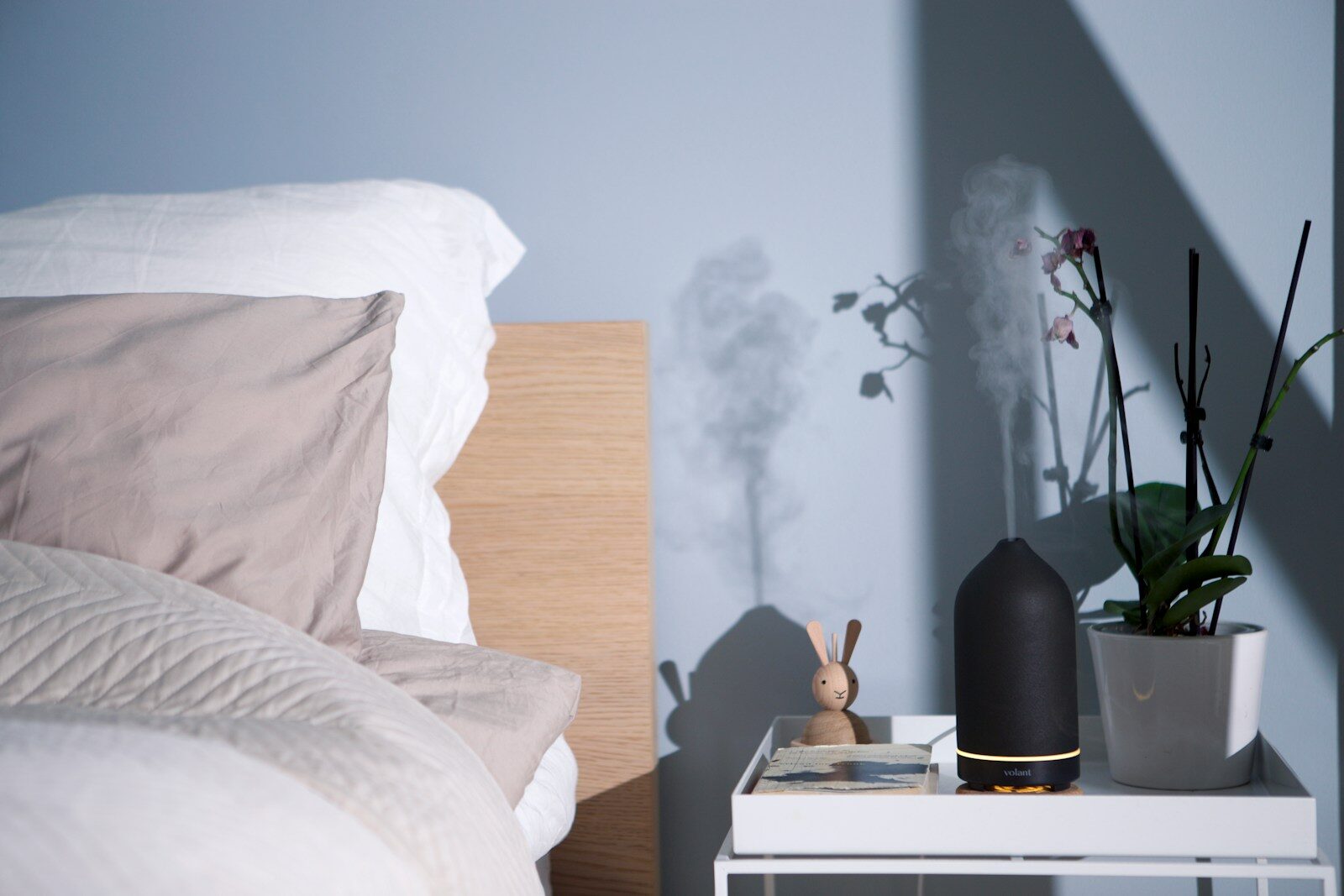
Top-tier Dyson humidifiers do three things at once — purify, humidify, and cool. A built-in hygrometer monitors room humidity automatically and hits your target level without over-saturating the air.
What to look for in a quality combo unit:
- UV-C light sterilization kills 99.9% of bacteria in the water before it enters your air
- Monthly deep-clean cycle prevents mold and scale buildup (huge deal — most humidifiers get gross fast)
- HEPA H13 filtration captures particles as small as 0.1 microns
- App control lets you monitor air quality and set schedules from your phone
- K-Carbon filter captures NO₂ from gas stoves and candles
If you already run a separate air purifier and humidifier, a quality combo unit can replace both. One machine, less clutter, smarter control.
Air Purifier vs. Humidifier — Which Do You Actually Need?
Here’s the honest answer: most homes need both.
| Problem | What You Need |
| Sneezing, allergies, pet dander | Air purifier |
| Dry skin, chapped lips, dry cough | Humidifier |
| Lingering smells, VOCs | Air purifier with carbon filter |
| Stuffy nose from dry winter air | Humidifier |
| Both issues at once | Combo unit |
The sweet spot for indoor humidity is 30–50%. Too low and you get dry skin and irritated sinuses. Too high and mold moves in.
FAQs
Can I run an air purifier and humidifier at the same time? Yes. They complement each other — the purifier removes pollutants while the humidifier adds moisture. Just keep humidity under 50% to prevent mold.
How often should I replace HEPA filters? Every 6–12 months depending on usage and air quality. High-pollution environments burn through filters faster.
Are premium purifier humidifiers worth the money? If you want one device that purifies, humidifies, and includes smart monitoring — yes. For a tight budget, separate mid-range units work well too.
What’s the best air purifier for pet owners? Look for dual HEPA filtration and a strong CADR rating. Units built specifically for allergens handle pet dander well.
The Bottom Line
Clean indoor air isn’t a luxury — it’s one of the highest-leverage health upgrades you can make at home. Start with a true HEPA air purifier sized for your room. Add a humidifier if dry air is a problem. Or go straight for a premium combo unit if you want it all handled automatically.
Fix your air. Sleep better. Stop buying allergy meds.