
The premium pet food sector has changed significantly over the past two decades as pet owners increasingly seek products made with recognizable ingredients, transparent sourcing practices, and minimally processed manufacturing methods. Within that trend, freeze-dried foods and treats have emerged as one of the fastest-growing categories. Grand View Research estimates that the global freeze-dried dog food market was worth approximately $2.74 billion in 2023 and is projected to reach $3.77 billion by 2030.
One company operating in this segment is Fresh Is Best, a Milwaukee-based manufacturer that produces freeze-dried foods, meal toppers, and meat treats for dogs and cats. Founded in the early 2000s by Stacy La Point, the company has focused on small-batch production and meat-based recipes for nearly 25 years. Company information indicates that manufacturing takes place in its own Milwaukee facility rather than through a third-party co-packer.
As consumer interest in premium pet nutrition continues to expand, Fresh Is Best offers a case study in how smaller manufacturers are positioning themselves within a rapidly evolving market.
A Small-Batch Manufacturing Model Built Around Freeze-Drying
Fresh Is Best centers its product range on freeze-dried complete foods and freeze-dried meat treats for both dogs and cats. The company reports that recipes are produced in small batches and then vacuum-sealed immediately after processing.
Freeze-drying removes moisture while preserving the structure of ingredients without the high temperatures used in traditional extrusion processes. Industry analysts note that freeze-dried products are often positioned as premium options because they retain many of the characteristics associated with raw foods while offering shelf stability and convenient storage.
The company states that its recipes avoid grains, preservatives, white potato, pea starches, legumes, and tapioca flours. Instead, formulations are built around animal proteins and selected fruits, vegetables, vitamins, and minerals.
This approach aligns with broader pet food trends. Recent APPA research highlights continued growth in premium pet care categories, with pet owners placing increasing emphasis on ingredient quality, health considerations, and nutritional transparency.
Ingredient Sourcing Reflects Humanization Trends in Pet Food
One of the most visible shifts in pet nutrition has been the “humanization” of pet food. Consumers increasingly evaluate pet food ingredients using standards similar to those applied to their own diets. Industry observers have identified this movement as a major driver of growth in premium pet food categories.
Fresh Is Best positions its products around that trend through its sourcing practices. According to company materials, proteins are sourced from USDA-quality suppliers and may include pasture-raised, grass-fed, cage-free, antibiotic-free, or wild-harvested ingredients when available. The company also reports using whole fruits and vegetables rather than ingredient powders or pomace.
Animal welfare considerations have become increasingly relevant to purchasing decisions. Research examining consumer food choices has found measurable willingness among buyers to pay higher prices for products associated with stronger animal welfare standards.
For pet owners seeking information about ingredient sourcing and manufacturing practices, the company’s products are available at Fresh Is Best, where detailed ingredient panels and nutritional analyses are provided for individual recipes.
Grain-Free Formulations and Nutritional Transparency
Grain-free pet food remains a significant category within the premium pet market, although it has also attracted regulatory and veterinary discussion in recent years. As a result, transparency around ingredients and nutritional composition has become increasingly important.
Fresh Is Best distinguishes itself by clearly identifying protein sources and publishing nutrient analyses for specific recipes. The company emphasizes meat-based formulations rather than carbohydrate-heavy recipes that rely on starches for structure.
Veterinarian Dr. Karen Becker, a prominent advocate for minimally processed pet nutrition, has frequently argued that pet owners should pay close attention to ingredient quality and processing methods when evaluating foods. While opinions differ across the veterinary community regarding specific feeding approaches, there is broad agreement that transparency and ingredient disclosure help consumers make informed choices.
Industry publications have also reported increased focus on processing standards, pathogen control, labeling accuracy, and sourcing transparency as raw and freeze-dried categories continue to mature.
For consumers, this means evaluating not only ingredient lists but also manufacturing methods, nutritional adequacy statements, and quality control practices.
Treats and Training Products Remain a Key Growth Category
While complete foods attract much of the attention in discussions about pet nutrition, treats represent a substantial portion of the premium pet food market.
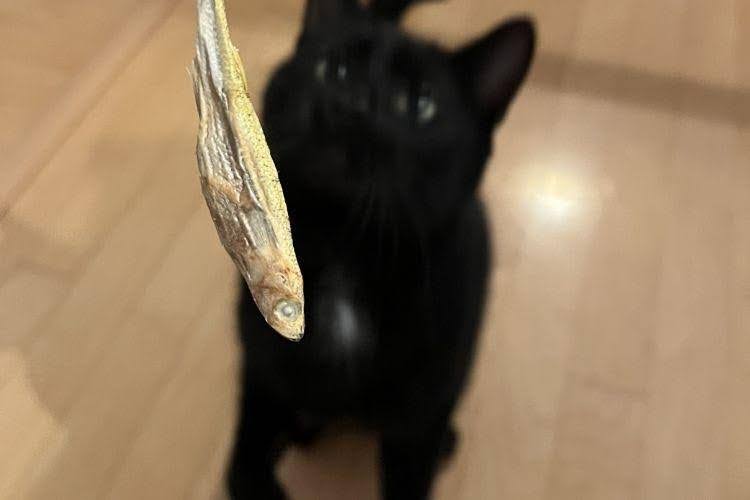
Fresh Is Best offers freeze-dried meat treats designed for both dogs and cats. Company information notes that trainers and groomers frequently use these products because they are protein-focused and easy to portion during training sessions. The treats category is particularly important within the company’s product portfolio.
This focus reflects wider market developments. Analysts have identified treats, toppers, and supplemental feeding products as major contributors to freeze-dried category growth. Consumers increasingly use these products to add variety, reward behavior, or supplement existing diets.
Premium treat purchasing has also benefited from changing consumer attitudes. Surveys indicate that many pet owners are now more conscious of ingredient quality and are willing to spend more on products they perceive as natural, ethically sourced, or minimally processed.
Manufacturing Independence as a Market Differentiator
A notable aspect of Fresh Is Best is its role as both brand owner and manufacturer. According to company information, production occurs within its Milwaukee facility rather than through outsourced manufacturing partners.
That distinction has become increasingly relevant as investment in premium pet food accelerates and new brands enter the market. Many emerging brands rely on contract manufacturing arrangements, while fewer maintain direct control over production.
Fresh Is Best reports that it combines small-batch freeze-drying with vacuum-sealed packaging designed to reduce oxygen exposure and preserve freshness. The company describes this process as an important component of its quality-control approach.
As the freeze-dried pet food market continues to expand, brands that emphasize manufacturing transparency, ingredient sourcing, and production oversight are likely to remain part of the broader conversation around premium pet nutrition. For Fresh Is Best, those factors continue to define its position within a category that shows sustained growth potential and increasing consumer interest.
References
American Pet Products Association (APPA). (2025). 2025 State of the Industry Report and Pet Ownership Statistics.
Axios. (2022). The Humanization of Pet Food and Growth of Premium Pet Nutrition.
Grand View Research. (2025). Freeze-Dried Dog Food Market Size, Share & Trends Analysis Report, 2024–2030.
Petfood Industry. (2025). Key Trends Shaping the Pet Food Industry.
Research and Markets. (2025). Natural Freeze-Dried Pet Food Market Report.
Statista. (2025). Pet Food Market Revenue and Forecast Worldwide.
The Times. (2025). Premium Pet Food Spending and Consumer Purchasing Trends.
Future Market Insights. (2025). Freeze-Dried Pet Food Market Outlook.
GII Research. (2025). Freeze-Dried Dog Food Market Size, Share and Forecast.