


There’s a lot of advice about pregnancy. There’s also a lot of advice about looking after a newborn. The bit in between those two things can get surprisingly little attention. After giving birth, the baby obviously becomes the priority. But the mother is recovering too.
She can be coping with discomfort, bleeding, painful breasts, sleep deprivation, hormonal changes, and an entirely altered daily schedule. All of this can occasionally occur simultaneously. The phrase “fourth trimester” enters the picture at this point. Typically, it refers to the first twelve weeks following delivery. Although it’s not a recognised medical stage, it serves as a helpful term for what occurs once pregnancy is officially finished. Because the healing process continues after birth.
Things Can Feel a Little Strange
Postpartum bleeding is normal. It’s called lochia and can last for several weeks while the uterus contracts and heals. Then there’s the pelvic floor. Many women have urine leakage following delivery. It can occasionally be triggered by a cough, sneeze, laugh, or even a little jog. Pelvic pain or heaviness may also be present. Talking about it might be awkward. That doesn’t mean that it should be disregarded. These symptoms may frequently be evaluated and treated, especially if they interfere with day-to-day functioning.
The rest of the body is also changing. Hormones drop quickly after delivery. Night sweats are common. Energy can be all over the place. Hair shedding may appear later. Breasts can become very full and uncomfortable while feeding gets established.
Additionally, the type of delivery has an impact. A woman gone through abdominal surgery is recovering from a surgical incision. A woman who gave birth vaginally can be recovering from pelvic floor discomfort, tears, or sutures. There can also be complications that nobody expected. So there’s no magic date when the body suddenly decides it’s “normal” again. Postpartum care is increasingly viewed as an ongoing process rather than a single check-up. ACOG recommends that care covers physical recovery as well as sleep, mood, feeding, contraception, and other health concerns.
And Then There’s the Mental Load
The emotional part is harder to see. Baby blues can bring crying, irritability, anxiety, and feeling unusually emotional. They are common in the first days after birth and generally settle within two weeks. But there’s another side to this that gets talked about less. A woman can be completely in love with her baby and still miss her old routine. She can be happy and exhausted. She can feel lucky and overwhelmed. She may miss being able to sleep when tired, leave the house without organising everything around a feed, or have ten quiet minutes without someone needing something. None of that means she doesn’t love her baby.
Sleep deprivation can make all of it feel worse. Broken sleep affects concentration and mood, and patience tends to disappear quickly when there has been very little rest. Sometimes what’s needed isn’t another piece of parenting advice. It’s sleep.
Make Help More Specific
There’s a reason “let me know if you need anything” doesn’t always work. A tired person may not know what to ask for. It’s much easier when someone says: dinner is sorted tonight. Or, the groceries are being picked up. Or the baby can be held while you sleep for an hour. Small jobs count. Washing bottles. Making tea. Taking an older child outside. Doing the laundry. Sitting with the baby while the mother has a shower.
Additionally, it’s best to seek expert assistance when a medical or mental issue isn’t getting better. This might include a pelvic health physiotherapist, obstetrician, midwife, lactation consultant, or mental health specialist. Organisations like a mother and baby health charity may be an important source of assistance for mothers who might otherwise find it difficult to obtain treatment if they have restricted access to maternal healthcare.
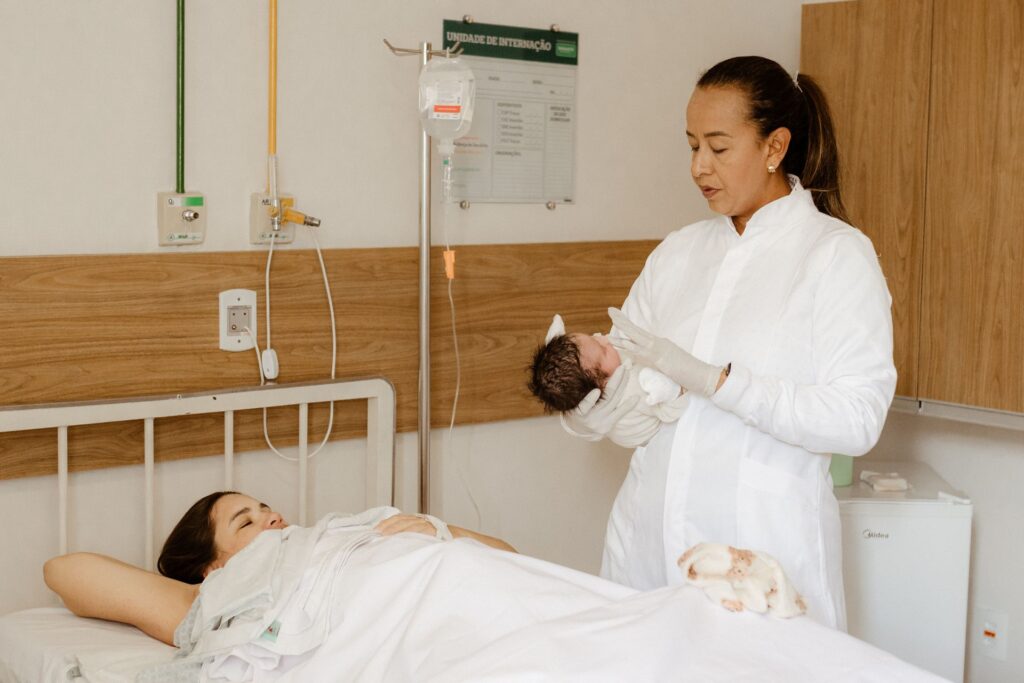
Not Everything Is a Normal Postpartum Symptom
This is the part worth knowing before it’s needed. Heavy bleeding, severe abdominal pain, chest pain, difficulty breathing, fainting, severe headache with vision changes, or pain and swelling in one leg can require urgent medical attention.
Mental health symptoms shouldn’t be ignored either. Persistent depression or anxiety needs proper support. Thoughts of harming yourself or your baby require immediate help. The CDC lists these and other maternal warning signs during pregnancy and in the year following birth.
A temperature of 38°C (100.4°F) or higher after delivery is another reason to contact a healthcare professional, especially if it comes with other symptoms. It’s easy to dismiss things after childbirth. “Probably hormones.” “Probably lack of sleep.” “Probably normal.” Sometimes they are. Sometimes they are signs that something needs checking.
Recovery Isn’t a Competition
There’s no fixed postpartum timeline. Some women recover fairly quickly. Others need much longer, particularly after a caesarean, complicated delivery or significant injury. Feeding problems, pelvic floor symptoms, fatigue and emotional difficulties can also continue beyond the first few months. That doesn’t mean something has gone wrong. And comparing recovery with another mother usually makes very little sense. Different bodies, different births, different support systems.
The useful question is simpler: is it getting better? Attention should be given if discomfort is worsening, if anything is interfering with daily living, or if something simply doesn’t seem right. A newborn is said to be getting used to the world during the fourth trimester. The mother is adjusting too. And recovering. That part matters just as much.