

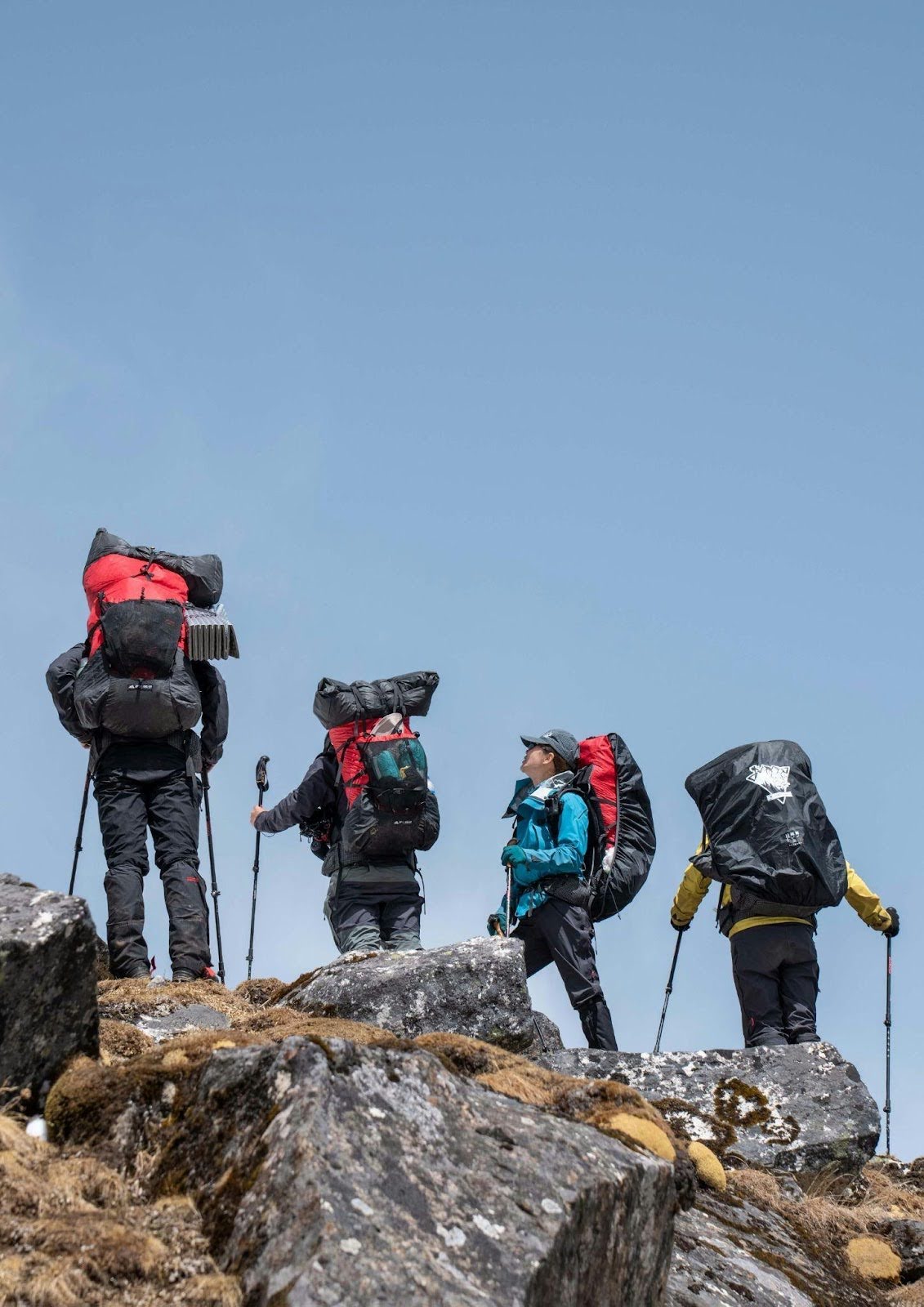
When you’re planning a hiking trip, you probably don’t realize that your next adventure could be your last. Getting lost on a familiar route, various injuries, adverse weather conditions, encounters with wild animals—all of these can put even the most prepared hikers in dire straits. It’s impossible to rule out all possible problems, especially since they can result from random events or a fatal combination of circumstances. However, there are ways to minimize the risks. A few valuable items that have saved hikers’ lives on numerous occasions can help.
First aid kit
A first aid kit is often the most effective way to save hikers far from home and medical facilities. It is assembled based on each person’s individual needs and contains many basic items. Bandages, plasters, antiseptics, painkillers, and anti-allergy medications are just a few examples of what a first aid kit includes. Having all of these items allows hikers to quickly provide first aid to themselves and their companions, thereby reducing the risk of infection and other dangerous consequences. A properly prepared first aid kit is also indispensable for very complex injuries when qualified medical attention is not readily available. In these cases, this item is the only chance to save a hiker’s life.
Knife
Everyone uses a knife daily for various household purposes. In the kitchen, in the garage, and outdoors, this item is an indispensable assistant, without which everyday life is difficult to imagine. Furthermore, a knife often becomes a lifesaver for hikers. It is used for a variety of tasks for surviving in the wild. Foraging for food, defending against predators, pruning branches, and preparing plant material for starting a fire are just a few examples of how a knife can be used in emergencies. If necessary, this item can even be used to send distress signals (the blade perfectly reflects the sun’s rays, allowing them to be directed). All of this makes a knife a must-have item in the backpack of every beginner and experienced hiker.
Fire starter
Hiking trips often last several days and involve spending the night outdoors. In such cases, a fire starter is a must-have item in any hiker’s backpack. This compact and lightweight item is a real lifesaver, as it helps you start a fire in any conditions. This is especially important in areas where temperatures drop sharply at night, making a heat source vital. A fire starter is also a lifesaver when you need to cook food, quickly start a fire to scare off a predator, or signal rescuers. Of course, matches or a lighter can be used instead. However, they won’t always be effective and will only save your life in certain situations.
Night vision device
When the weather is bright and clear, hikers can see all the obstacles and dangers along the way. However, when darkness falls, the situation becomes significantly more complex. Reduced visibility increases the risk of accidents and creates favorable conditions for them. In such a situation, simple flashlights are practically useless, as they can only illuminate a small area. AGM night vision goggles and other similar equipment can help make everything visible. These devices allow hikers to spot holes, cliffs, low-hanging tree branches, sharp rocks, and slippery sections of the trail, thereby increasing their awareness and saving their lives. Various night vision optics can also help them spot dangerous animals and the first signs of sudden weather deterioration.
Paper map
Hikers are accustomed to using GPS devices. They quickly and accurately locate a person and help them choose the right direction. But what if the signal suddenly disappears, the equipment fails, or the battery runs out? For this reason, every hiker should have a paper map in their backpack. It’s less convenient to use, but it always works. With its help, you can replace navigation equipment and find your way to your destination. It’s often a paper map that saves the lives of hikers who get lost and spend days searching for the right direction.
Signal equipment
Almost every hiker at least once in their life finds themselves in a difficult situation where they need to make the right decisions to save their life. In such cases, various signaling devices used to call for help become indispensable. Hikers most often use loud whistles, mirrors that reflect sunlight, and special signal flares that can be seen from a distance. All these items are essential in a backpack; otherwise, any accident can turn an exciting adventure into your last event. In emergencies, various improvised materials can also serve as signaling devices. For example, a knife blade or a piece of foil can serve as a mirror, and a fire started with flint and steel is a good alternative to a signal flare.
Hiking is an exciting activity that can provide a wealth of positive emotions. At the same time, this outdoor activity is a dangerous adventure, where something terrible can happen at any moment. The items in your backpack will help you survive in most situations. They take up minimal space and often remain unused until the end of the hike. However, if something goes wrong, these items will be a real lifesaver. With their help, you can overcome any difficulties and complete your adventure.