
Personal wellness has become far more individualized over the last few years. Some people focus on mental clarity, while others place more attention on physical health, social balance, or emotional stability. Fast-paced schedules, digital habits, work demands, and personal priorities all influence the routines people choose to follow.
Social expectations have shifted as well. Many adults now prefer wellness habits that feel realistic and flexible instead of strict routines that are difficult to maintain. Personal comfort plays a large role in that process. Habits that improve one person’s wellbeing may feel draining or impractical for someone else.
Digital Detox Routines Are Becoming More Popular
Constant notifications and online pressure can quickly affect focus and emotional balance. Many people now schedule specific periods during the day where devices are placed aside completely. Even short breaks away from screens can help reduce stress levels and improve concentration.
Healthier digital habits often include:
- Turning off unnecessary notifications
- Limiting social media scrolling before bed
- Keeping phones away during meals
- Creating screen-free periods during weekends
Sleep Focused Wellness Habits Continue to Grow
Sleep quality affects energy, mood, productivity, and stress management. Strong evening routines can support better rest without requiring major lifestyle changes.
Consistent sleep habits may include:
- Maintaining regular bedtimes
- Reducing caffeine later in the day
- Keeping bedrooms cool and quiet
- Avoiding excessive screen exposure before sleep
Relaxation techniques such as reading, stretching, or listening to calming audio can also improve nighttime routines. Better recovery often leads to stronger focus throughout the day and helps people feel more emotionally balanced.
Personalized Fitness Plans Are Replacing Generic Workouts
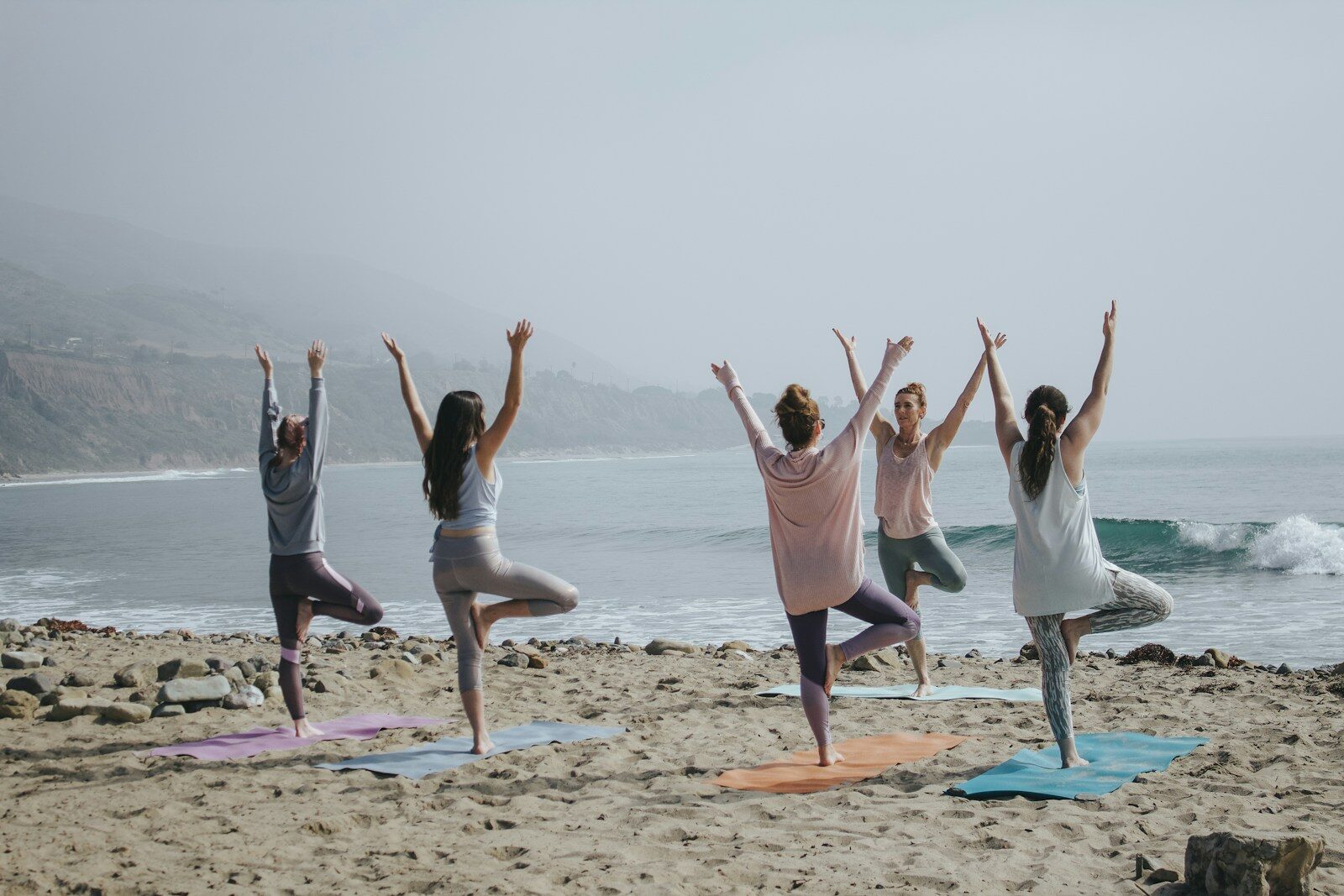
Fitness goals vary widely from person to person. Some people enjoy structured gym routines, while others prefer walking, yoga, swimming, or low-impact exercise. Flexible fitness habits are gaining popularity because they feel easier to maintain over time.
Many wellness professionals now encourage routines that fit naturally into existing schedules. Short workouts completed consistently often produce stronger long-term results than aggressive training plans that create burnout. Some individuals also combine exercise with nutritional guidance or medically supported options such as Weight loss medications to help support long-term health and wellness goals.
Physical wellness may also involve activities connected to confidence and social comfort. Some adults exploring Long Island escorts prioritize wellness routines that help them feel more self-assured and relaxed in social settings. Confidence and physical wellbeing often influence each other in subtle ways.
Social Wellness Is Becoming Part of Everyday Self-Care
Strong social connections can improve emotional wellbeing significantly. Many adults are paying closer attention to the quality of their interactions rather than the quantity.
Healthier social habits may include:
- Spending less time in draining environments
- Building stronger communication skills
- Setting clearer personal boundaries
- Making time for trusted friendships
Personal wellness sometimes involves seeking environments that feel comfortable and low-pressure. Social confidence grows more naturally when people spend time in situations that align with their personality and preferences.
Mindful Spending Is Influencing Wellness Decisions
Financial stress often affects emotional wellbeing. More people are reviewing their spending habits carefully and choosing experiences that feel personally valuable rather than socially expected.
Mindful spending can involve:
- Prioritizing experiences over unnecessary purchases
- Reducing impulse spending habits
- Budgeting for hobbies or relaxation
- Creating more realistic financial goals
Solo Wellness Activities Are Increasing in Popularity
Alone time has become an important part of many wellness routines. Quiet activities can help reduce overstimulation and create space for reflection.
Popular solo wellness habits include:
- Walking outdoors
- Journaling
- Cooking at home
- Reading regularly
- Visiting wellness centers or spas
Independent hobbies often improve emotional balance because they allow people to recharge without external pressure. Personal downtime can support better patience, concentration, and stress management throughout the week.
Wellness Travel Is Shifting Toward Relaxation and Balance
Travel trends are changing as many adults look for shorter, more intentional experiences. Weekend trips, local escapes, and wellness-centred travel plans are becoming more common than packed itineraries.
Relaxation-focused travel may include:
- Quiet accommodations
- Spa visits
- Outdoor activities
- Reduced work communication
- Flexible schedules
Busy professionals often benefit from smaller breaks spread throughout the year instead of relying on one large vacation. Consistent recovery periods can improve focus and emotional wellbeing over time.
Personalized Beauty and Self-Care Routines Are Expanding
Beauty and self-care routines are becoming more personalized as people move away from rigid standards. Many adults now choose routines based on comfort, confidence, and practicality instead of trends alone.
Simple self-care habits may include skincare routines, grooming appointments, massage treatments, or fitness-focused wellness plans. Confidence often improves when people feel comfortable with the routines they maintain consistently.
Flexible Social Experiences Are Reshaping Adult Lifestyles
Traditional social expectations continue to shift as people look for experiences that feel more personalized. Flexibility has become increasingly important across many areas of adult life.
Many adults now prefer:
- Smaller gatherings
- More private social settings
- Flexible schedules
- Lower pressure environments
- Personalized experiences
Personal comfort plays a major role in emotional wellbeing. People are becoming more willing to choose environments and activities that support their own preferences instead of following social pressure.
Mental Wellness Tracking Is Becoming More Common
Mental wellness tracking has become easier through journaling apps, mood tracking tools, and structured routines. Many people now monitor emotional patterns more closely to identify habits that improve or disrupt their wellbeing.
Helpful tracking habits may include:
- Recording stress triggers
- Tracking sleep quality
- Monitoring screen time
- Reflecting on emotional changes
- Reviewing daily routines regularly
Self-awareness often leads to healthier long-term decisions. Small behavioral changes can improve emotional balance gradually without creating unnecessary pressure.
Building a Wellness Routine That Fits Your Lifestyle
Personal wellness works best when routines feel realistic, flexible, and supportive of everyday life. Trends may provide inspiration, though lasting habits usually come from consistency and self-awareness rather than perfection.
Better balance often develops through small changes that support emotional, physical, and social wellbeing over time. Personal comfort deserves attention during that process. Routines that feel natural are far more likely to remain sustainable long term.
Exploring different approaches, adjusting routines gradually, and paying attention to personal needs can help create a wellness plan that genuinely supports a healthier lifestyle.