
Acupuncture has been practised for thousands of years, with roots tracing back to ancient China. At its core is the belief that energy, or “Qi” (pronounced “chee”), moves throughout the body along pathways called meridians. The approach is simple yet intriguing: ultra-fine needles are gently placed at precise points on the body, which is thought to encourage better energy flow and support your body’s natural balance.
Recently, acupuncture’s popularity has surged in the United States, especially among women seeking new ways to address health concerns. Many are drawn to it as it steers clear of medication, relying on a gentle approach with few side effects. Women have found support from acupuncture for all sorts of issues, from helping with fertility and easing morning sickness to managing period pain and tackling menopause symptoms. For anyone wanting an alternative or a complement to more traditional treatments, acupuncture is emerging as a genuinely appealing option.
Understanding Acupuncture
Acupuncture gets its roots from the idea of Qi, which is a vital energy flowing through the body along channels known as meridians. According to this tradition, the body has around 2,000 acupuncture points that work as access points along these channels.
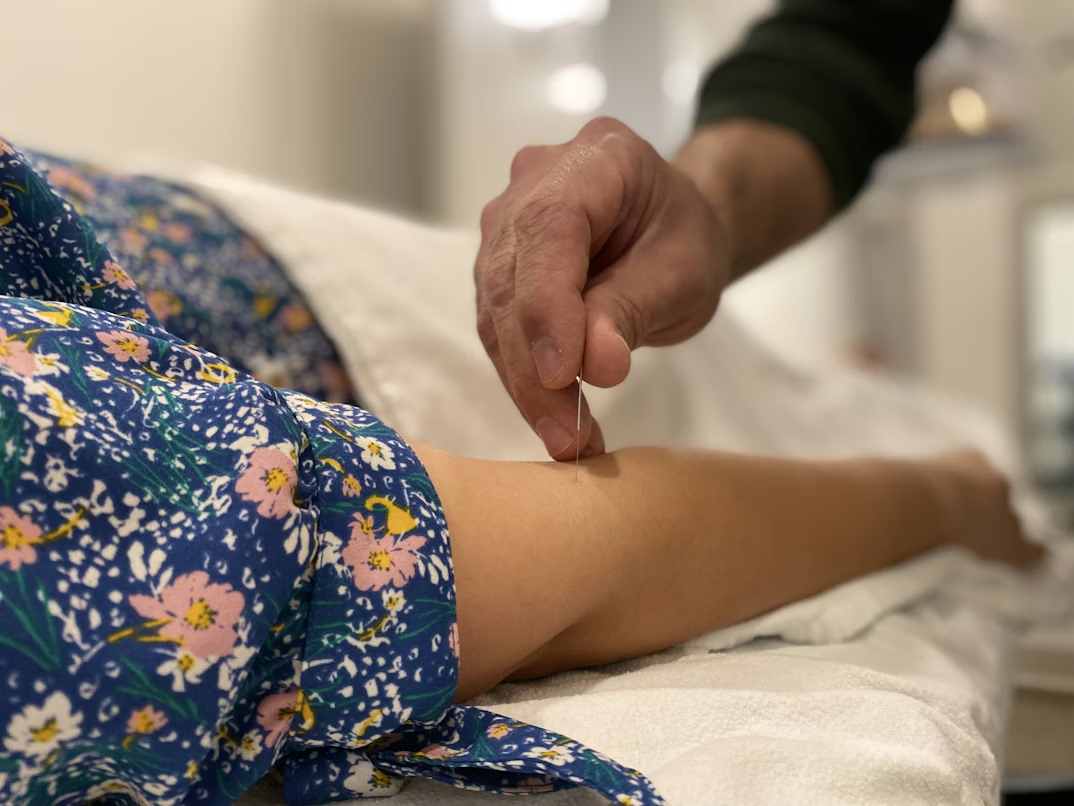
The practice itself is straightforward: fine needles are placed at certain points on the body with the goal of encouraging Qi to move more freely. By improving this energy flow, acupuncture is thought to help restore balance and support healing, potentially easing a wide range of physical and emotional troubles. Because it doesn’t rely on medication, many appreciate that it usually comes with very few, if any, side effects.
A session tends to be calming in itself. When you arrive, you’ll first chat with your acupuncturist about your health and what you hope to achieve. This quick chat lets the practitioner decide which acupressure points are most likely to help you.
You’ll then recline while tiny, thin needles are delicately inserted at the agreed-upon points. If you’re worried about pain, rest assured that most people hardly feel a thing. If anything feels uncomfortable, you can say so right away and the practitioner will make quick adjustments. Overall, most people find acupuncture sessions to be deeply relaxing and a chance to step away from life’s usual stresses.
Acupuncture and Hormonal Health
Photo by Sasun Bughdaryan on Unsplash
Acupuncture stands out as a supportive option for women wanting to manage their menstrual cycles and find relief from PMS. Many women know all too well the disruption of cramps, mood swings, headaches, bloating, and relentless fatigue every month. Acupuncture has gained trust by helping to smooth out these symptoms, improve circulation, and regulate the nervous system. In particular, many have experienced benefits when it comes to alleviating period pain symptoms with acupuncture.
Beyond easing cramps and irritability, acupuncture can take the edge off headaches, lower bloating, and counteract feeling worn down. For those who juggle unpredictable moods or sudden drops in energy, acupuncture may offer much-needed help. Hormonal shifts can throw everything off balance, affecting sleep, appetite, and overall well-being, but regular sessions may give your body a nudge towards stability by addressing stress, inflammation, and blood flow.
By providing calm for the nervous system and bringing stress levels down, acupuncture helps create a sense of emotional steadiness. It can be especially welcome for women facing noticeable hormonal swings. Rather than quick fixes, acupuncture offers steady support for both the physical and emotional rollercoaster that can come with hormonal changes.
Mental Health and Stress Management
Acupuncture has gained attention for its ability to help manage stress and support emotional well-being, especially for women. Women are more often diagnosed with depression or stress-related issues, and this can be due to several reasons, from hormonal fluctuations to outside pressures. Acupuncture encourages a smoother flow of energy through the body, which can lift mood and make it easier to handle tough emotions.
By helping the body settle and relieving pent-up tension, acupuncture gives people more space to breathe—sometimes both literally and figuratively. Those regular sessions don’t just bring a bit of inner calm; many report feeling more balanced, with fewer ups and downs and a clearer mind. This is particularly valuable for anyone feeling overloaded by daily demands or anxiety.
Acupuncture stands out because it doesn’t involve medication and instead looks at mental health in a holistic way. Rather than masking symptoms, it offers support for better emotional balance and helps keep stress levels in check, letting you respond to life’s challenges with a steadier hand.
Addressing Pain and Comfort Concerns
Acupuncture is gaining attention as a gentle and effective option for pain relief, especially for women dealing with conditions like endometriosis. For those living with the persistent discomfort of endometriosis, acupuncture offers a much-needed source of relief by targeting pain and supporting day-to-day comfort. The process involves placing ultra-fine needles in precise spots, which is believed to promote better energy circulation and ease the relentless aches tied to this condition.
This traditional approach is also well-regarded for helping with chronic pain and lingering muscle tension. Many women experience tension and pain in areas such as the neck, shoulders, back or hips, often resulting from sitting at a desk, busy routines, or emotional stress. Acupuncture can help release tightness and soothe inflammation, meaning you may find yourself less reliant on pain medication.
Those who regularly turn to acupuncture notice not just reduced pain but also a greater sense of relaxation and lowered stress. It offers a practical and natural way to tackle pain while also looking after your emotional well-being.
Reproductive Health and Fertility
Acupuncture is becoming increasingly popular for its ability to support those trying to conceive and manage infertility challenges. People often use it to help with specific conditions linked to infertility, including Polycystic Ovarian Syndrome (PCOS), luteal phase defect, unexplained infertility, high prolactin, and thyroid issues. By focusing on correcting hormone imbalances, acupuncture can improve the chances of conception.
Certain acupuncture points are chosen to encourage better blood flow to the reproductive organs, help ease stress, and give your body a nudge towards its natural hormonal balance. All of these factors play an important role in boosting fertility.
Pregnancy itself brings a whole range of symptoms, from morning sickness to random aches and tiredness, and acupuncture is regularly used to help ease these discomforts. It’s also used as birth approaches, with the aim of making the experience smoother and sometimes even shortening labour. In South Carolina, for example, nearly one in five nurse midwives include acupuncture in their care, showing its growing acceptance as a supportive therapy in pregnancy. More and more women are turning to this time-honoured method for help at every stage of their reproductive journey.
Menopause and Age-Related Health
Acupuncture can be a real lifeline for easing the classic menopause struggles, like hot flushes and waking up drenched from night sweats. As oestrogen drops and cortisol creeps up during menopause, you might notice your hormones feeling all over the place. Acupuncture helps settle things by focusing on the adrenal glands, which leads to a drop in cortisol and, as a result, calmer symptoms.
It’s not just about cooling off those hot flushes or quieting unpredictable moods. Many women have found their overall hormonal balance improves, and this stability makes such a difference to daily comfort. Acupuncture works by encouraging better blood flow and calming the nervous system, both of which can take the edge off those up-and-down feelings and restless nights.
Because acupuncture usually has minimal side effects and doesn’t involve medication, it’s a solid choice for those who’d rather keep things simple and natural. For anyone hoping to ride out menopause with fewer pills and less fuss, acupuncture can offer dependable, supportive relief.
Acupuncture as a Holistic Approach to Wellness
Acupuncture works alongside standard medical care, making it a flexible addition to many wellness routines. It looks at both physical and mental health, aiming to cover all the bases rather than focusing on just one issue at a time.
By supporting healthy circulation, calming the nervous system, and helping to balance hormones, acupuncture gives the body a boost to recover naturally. This is useful for everyone, but especially for women, who deal with all sorts of shifting health needs over the years like period changes, stress, and the ups and downs of menopause.
It’s a gentle, natural form of care that doesn’t involve any harsh drugs, which means there’s less worry about unpleasant side effects. People often choose acupuncture when they want a low-risk way to target specific problems without medication. The focus is on tapping into the body’s own power to recover, which is one of the reasons many are drawn to this approach.
All in all, acupuncture supports more than just symptom relief. Many find it helps them feel more balanced, calmer, and better connected to their own bodies and minds.